
Daily vs weekly podcast format presents a fascinating exploration into the world of audio content creation, where podcasters must navigate the delicate balance between frequency and listener engagement. Choosing the right format can significantly impact not only audience retention but also overall satisfaction and growth.
In this discussion, we will delve into the benefits of daily and weekly podcast formats, showcasing successful examples and effective strategies for building a dedicated listener base. By comparing listener retention rates and audience engagement techniques, we aim to equip aspiring podcasters with essential insights for their journey.
Daily Podcast Format
The daily podcast format has gained significant traction as creators seek to engage their audiences more frequently. This format offers a unique opportunity to build a closer connection with listeners by delivering consistent and timely content. With the rise of multitasking and on-the-go lifestyles, daily podcasts can cater to the needs of audiences who crave fresh content regularly.One of the primary benefits of a daily podcast format is the increased listener engagement.
By offering daily episodes, podcasters can maintain a continuous presence in their listeners’ lives. This not only encourages habitual listening but also fosters a sense of community around the content. For example, popular daily podcasts like “The Daily” by The New York Times and “Up First” by NPR have shown remarkable success in retaining audiences. These shows provide timely news updates and insights, making them essential listening for many who want to stay informed.
Listener Retention Rates Comparison
Understanding listener retention rates is crucial in evaluating the effectiveness of daily versus weekly podcast formats. Daily podcasts typically enjoy higher retention due to their regularity and the opportunity for listeners to engage consistently. Below is a comparison table illustrating the listener retention rates of daily and weekly podcasts based on recent studies.
| Podcast Format | Average Listener Retention Rate | Engagement Level |
|---|---|---|
| Daily Podcast | 70% – 80% | High |
| Weekly Podcast | 50% – 60% | Moderate |
The data indicates that daily podcasts tend to retain more listeners compared to their weekly counterparts. This can be attributed to the habitual nature of daily listening, where audiences are more likely to tune in regularly, leading to a deeper connection with the content and the creators. Additionally, daily podcasts can adapt quickly to audience feedback and current events, keeping the content relevant and engaging.
Daily podcasts offer a unique opportunity to build a closer connection with listeners through consistent and timely content.
Weekly Podcast Format
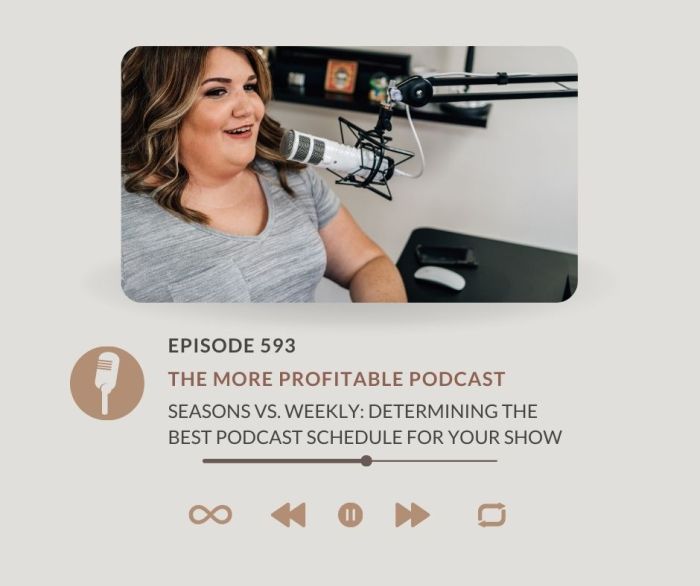
The weekly podcast format has gained traction among creators looking to deliver consistent and engaging content. This approach allows hosts to dive deeper into specific topics while providing ample time for research and production, ultimately enhancing the listener experience. The advantages of adopting a weekly podcast format are particularly evident in terms of content planning. Unlike daily podcasts that may require quick turnaround times, weekly formats allow creators to curate high-quality episodes.
This gives podcasters the opportunity to conduct thorough research, assemble guests, and craft well-thought-out narratives. The pacing of a weekly release can help build anticipation among listeners, making each episode feel like a significant event rather than just another piece of content.
Popular Weekly Podcasts and Their Strategies
There are numerous successful weekly podcasts that exemplify effective strategies for maintaining listener interest. Popular shows like “The Joe Rogan Experience,” “This American Life,” and “The Daily” effectively engage their audiences through diverse techniques.
- The Joe Rogan Experience utilizes long-form conversations with a variety of guests, which encourages in-depth discussions on various topics. This format allows listeners to develop a connection with both the host and the guests over time, fostering loyalty and ongoing interest.
- This American Life employs storytelling techniques that weave personal narratives with broader societal themes, captivating listeners week after week. The show’s structure includes segments focusing on different stories, keeping content fresh and engaging.
- The Daily features well-researched news stories presented in a compelling manner. The podcast’s emphasis on current events combined with expert insights creates a sense of urgency and relevance that resonates with its audience.
These shows highlight the importance of variety, storytelling, and relevance in keeping listeners engaged.
Best Practices for Creating Engaging Weekly Podcast Episodes
To create compelling weekly podcast episodes, a set of best practices can be invaluable in achieving listener retention and satisfaction. Implementing these strategies can enhance the overall quality and appeal of the podcast.
Consistent Release Schedule
Maintaining a regular release schedule helps build audience expectations and fosters routine listening habits.
Engaging Content
Focus on captivating topics that resonate with your target audience. Research trending themes and audience preferences to stay relevant.
Guest Appearances
Featuring expert guests or industry influencers adds credibility and diverse perspectives, enriching the conversation and attracting their followers.
Audience Interaction
Encourage listener feedback through social media or dedicated platforms. Engaging with your audience can create a sense of community and loyalty.
Quality Production
Invest in good audio equipment and editing software to ensure high-quality sound. Clear audio is essential for an enjoyable listening experience.
Show Notes and Resources
Provide show notes or additional resources to complement the episode content, allowing listeners to explore topics further.By following these best practices, podcasters can create engaging episodes that not only attract but also retain a loyal audience, fostering a vibrant podcast community.
Audience Engagement Strategies
Building a listener base for both daily and weekly podcasts is essential for long-term success. Utilizing effective engagement strategies not only attracts new listeners but also retains your existing audience by fostering a sense of community and connection. Here are some methods that can enhance listener engagement and boost your podcast’s popularity.
Methods for Building a Listener Base
Creating a strong listener base requires a strategic approach that combines quality content with effective promotion. Here are key strategies to consider:
- Social Media Promotion: Engage with potential listeners on platforms like Instagram, Twitter, and Facebook. Share snippets of your podcast, behind-the-scenes content, and encourage discussions around your episodes.
- Collaboration with Other Podcasters: Partnering with other podcasters can introduce your show to their audience. Guest appearances on each other’s shows or co-hosting special episodes can be mutually beneficial.
- Email Newsletters: Building an email list allows you to communicate directly with your audience. Share episode updates, exclusive content, and solicit feedback to make your listeners feel involved.
- Listener Feedback Integration: Encourage listeners to provide feedback and incorporate their suggestions into future episodes. This not only makes them feel valued but also aligns your content with their interests.
- Engaging with Reviews: Actively respond to listener reviews and comments. This creates a connection and shows that you appreciate their input, fostering loyalty.
Using Paid Surveys to Gauge Audience Preferences
Paid surveys can provide valuable insights into your audience’s preferences regarding podcast content and formats. This data helps in tailoring your episodes to meet listener expectations.
- Targeted Audience Insights: Utilizing platforms like SurveyMonkey or Google Forms can help you reach specific demographics. Design surveys that address key aspects such as episode length, preferred topics, and frequency of releases.
- Incentivizing Participation: Offering incentives, such as gift cards or exclusive content, can significantly increase survey participation rates, leading to more comprehensive data.
- Analyzing Trends Over Time: Conducting surveys periodically allows you to track changes in listener preferences, helping you adapt your podcast strategy accordingly.
Link Popularity Comparison for Daily vs. Weekly Podcasts
When analyzing link popularity, the frequency of podcast uploads can significantly influence traffic generation. Here’s a breakdown of how daily and weekly podcasts differ in this regard:
| Podcast Format | Link Popularity | Traffic Generation Potential |
|---|---|---|
| Daily Podcast | Higher | Daily content keeps listeners engaged and encourages frequent sharing, leading to more backlinks. |
| Weekly Podcast | Moderate | Less frequent episodes may lead to fewer backlinks, yet they can still generate substantial traffic through focused marketing efforts. |
“Daily podcasts tend to have a quicker accumulation of backlinks due to their frequent content updates, while weekly podcasts can build anticipation, leading to dedicated traffic on release days.”
Last Word
In conclusion, the choice between a daily or weekly podcast format hinges on various factors, including content planning, audience preferences, and engagement strategies. By understanding the unique benefits and challenges of both formats, podcasters can tailor their approach to foster a loyal and engaged audience.
FAQ Section
What are the key benefits of a daily podcast?
A daily podcast can enhance listener engagement through consistent content, allowing for real-time discussions and quicker feedback loops.
How can I effectively plan content for a weekly podcast?
Planning for a weekly podcast involves creating detailed Artikels, scheduling recording sessions in advance, and maintaining a content calendar to ensure variety and relevance.
Which format is better for audience growth?
Both formats can be effective; daily podcasts often attract quick attention, while weekly ones may build deeper connections over time.
How do I gauge listener preferences between the formats?
Using surveys and social media polls can help you understand your audience’s preferences and tailor your podcast format accordingly.
Can I switch between daily and weekly formats?
Yes, many podcasters start with one format and adjust based on audience feedback and personal capacity, but it’s essential to communicate changes to your listeners.