Best podcast recording software for seamless storytelling

22 Best Free Podcast Recording Software – TechCult

Best podcast recording software empowers creators to transform their ideas into engaging audio experiences. The landscape of podcasting is continually evolving, and with the right tools, anyone can produce high-quality content that resonates with listeners. This overview will navigate the most popular software options available today, highlighting their unique features, user-friendliness, and essential elements that contribute to a successful podcasting journey.

From audio quality to editing capabilities, the right software can greatly enhance your podcasting experience. We’ll delve into the vital features that every podcaster should consider, ensuring that you can easily select the best fit for your needs, whether you’re just starting out or looking to refine your craft.

Best Podcast Recording Software Overview
Best podcast recording software

Choosing the right podcast recording software can significantly impact the quality of your audio and the overall production process. With numerous options available, each software offers a unique set of features tailored to various needs, skill levels, and production complexities. This overview highlights some of the best podcast recording software currently available, focusing on their key features and user experience for both novices and seasoned professionals.

Top Podcast Recording Software

Understanding the strengths and specialties of different podcast recording software is essential for podcasters. Here is a list of the most popular software options, detailing their unique features and usability.

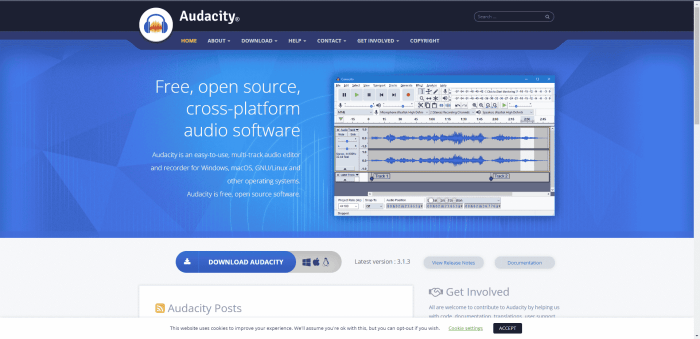
  • Audacity: Audacity is a free, open-source software that is widely used for audio recording and editing. Its key features include multi-track editing, numerous audio effects, and a user-friendly interface. While it may have a steeper learning curve for beginners due to its vast array of tools, experienced users appreciate its flexibility and depth.
  • Adobe Audition: As part of the Adobe Creative Cloud suite, Adobe Audition offers professional-grade tools for audio editing and mixing.

    Its features include spectral editing, noise reduction, and multitrack recording. While it provides an extensive range of functionalities suited for advanced users, its price point and complexity might be daunting for beginners.

  • GarageBand: Exclusive to Mac users, GarageBand is an intuitive option for newcomers to podcasting. It provides a simple interface, pre-recorded loops, and built-in sound effects. The ease of use makes it a favorite for beginners, but it may lack the advanced features that seasoned podcasters seek.

  • SquadCast: Designed specifically for remote podcasting, SquadCast excels in providing high-quality audio recordings for interviews. Its unique feature is the ability to record in separate audio tracks to ensure clarity. The user interface is straightforward, making it accessible for users at all levels.
  • Reaper: Known for its affordability and extensive customization options, Reaper offers a robust platform for audio recording and editing.

    It includes features like multi-track recording, VST plugin support, and MIDI compatibility. While it may require some initial setup, users find it highly efficient once customized to their needs.

  • Hindenburg Journalist: Tailored specifically for podcasters and journalists, Hindenburg Journalist focuses on storytelling and voice recordings. Its automatic leveling and easy-to-use interface make it a strong choice for beginners, while advanced features like sound effects and music integration appeal to more experienced users.

  • Zencastr: Zencastr provides a browser-based recording solution that captures high-quality audio from multiple remote sources. Its automatic post-production features and easy-to-use interface are beneficial for novice podcasters, while professionals appreciate the seamless integration of various audio tracks.

Each software listed not only caters to different skill levels but also enhances the podcasting experience through innovative features designed to improve audio quality and streamline the editing process. The choice of software ultimately depends on the specific needs of the podcaster, whether they prioritize ease of use, advanced editing capabilities, or remote recording options.

Essential Features for Podcasting Software

In the world of podcasting, the right software can significantly enhance the recording and editing process. Selecting software with essential features ensures a smooth workflow, high audio quality, and effective collaboration amongst team members. This section delves into the vital aspects that podcast recording software should possess to elevate the podcasting experience.

Importance of Audio Quality and Editing Tools

Audio quality remains a cornerstone of any successful podcast. The clarity and richness of sound can greatly influence how audiences perceive content. High-quality audio recording capabilities minimize background noise and ensure that the host’s voice is crisp and clear. Essential editing tools are equally important. They allow podcasters to cut out mistakes, adjust volume levels, and add effects or music seamlessly.

A well-rounded software package typically includes features like noise reduction, equalization, and multi-track editing.

High-quality audio combined with effective editing tools can turn a good podcast into a great one.

Cloud Storage and Collaboration Features

Cloud storage options are increasingly crucial in today’s collaborative work environment. With cloud capabilities, podcasters can easily back up their recordings, ensuring that no precious content is lost. Additionally, these features facilitate the sharing of audio files among team members, regardless of their location.Collaboration tools within podcasting software allow multiple users to work on a single project simultaneously. This feature is particularly beneficial for teams, as it enables real-time feedback and edits.

The ability to comment, suggest changes, and track revisions improves the overall quality of the final product.

Comparison of Pricing Structures

When it comes to choosing podcast recording software, understanding the pricing structures is essential. Different software options offer varying features at distinct price points, making it important for podcasters to find a balance between cost and functionality.Here’s a comparison of popular podcast software pricing:

Software Pricing Model Key Features
Adobe Audition Subscription: $20.99/month Multi-track editing, noise reduction, effects library
Audacity Free Open-source, basic editing tools, cross-platform
SquadCast Starting at $20/month Remote recording, cloud storage, video option
Riverside.fm Starting at $15/month High-quality video & audio recording, cloud storage

This comparison highlights how diverse the options are, enabling podcasters to choose a software solution that fits their needs and budget. By weighing the features against the cost, creators can select the best tools to help realize their podcasting dreams.

Enhancing Podcast Reach and Engagement

22 Best Free Podcast Recording Software – TechCult

Expanding your podcast’s audience and engagement levels requires a strategic approach that leverages modern digital marketing techniques. The landscape of podcasting is competitive; hence, utilizing the right tools and strategies can make a substantial difference in attracting listeners and creating a loyal following.

Building an Audience Through Social Media and Online Platforms

Social media is an invaluable resource for podcasters aiming to grow their audience. By employing various strategies across platforms, creators can effectively reach potential listeners. Here are key strategies to consider:

  • Content Sharing: Regularly share snippets or highlights from episodes on platforms like Instagram, Twitter, and Facebook. This gives potential listeners a taste of what to expect.
  • Engagement: Interact with followers through polls, Q&A sessions, and comments, making them feel involved in the podcast’s development.
  • Collaborations: Partner with other podcasters or influencers to cross-promote content. This can help tap into their audience base.
  • Hashtags and Trends: Utilize trending hashtags to increase visibility of your posts and tap into larger conversations relevant to your podcast themes.

Role of PPC Advertising in Promoting Podcasts

Pay-per-click (PPC) advertising plays a crucial role in enhancing the visibility of podcasts. It allows podcasters to target specific audiences effectively. Here’s why PPC can be beneficial:

  • Targeted Advertising: Platforms like Google AdWords and Facebook Ads enable you to target specific demographics based on interests, behaviors, and locations, ensuring your ads reach potential listeners.
  • Measurable Results: PPC campaigns provide analytics that help in understanding listener behavior and preferences, allowing for data-driven decisions to optimize future campaigns.
  • Budget Control: You can set a budget for your campaigns, making it manageable for creators of all sizes. This ensures that you can effectively control your marketing spend while reaching a broader audience.

Utilizing Paid Surveys for Listener Feedback

Gathering feedback through paid surveys is an effective method for improving podcast content. By understanding listener preferences, podcasters can tailor their episodes to better meet audience needs. Here are some methods to implement this:

  • Survey Creation: Develop surveys that ask targeted questions about content preferences, episode length, and desired topics. Use platforms like SurveyMonkey or Google Forms for easy distribution.
  • Incentivization: Offer small rewards or entry into a prize draw to encourage listeners to complete surveys, improving participation rates.
  • Analysis of Results: Regularly analyze feedback to identify trends and areas for improvement, ensuring that the content remains relevant and engaging to your audience.

“Feedback is the breakfast of champions.” This phrase highlights the importance of listener input in refining and enhancing podcast content.

Outcome Summary

In conclusion, selecting the right podcast recording software is crucial for elevating your audio content and building a loyal audience. The tools we discussed not only enhance the technical aspects of podcasting but also offer crucial features that facilitate collaboration and audience engagement. As you embark on or continue your podcasting journey, remember that the right software can significantly impact your storytelling and listener experience.

Helpful Answers

What is the best podcast recording software for beginners?

Software like Audacity and GarageBand are great for beginners due to their user-friendly interfaces and essential features.

Can I record podcasts directly on my phone?

Yes, there are many mobile apps available, such as Anchor and GarageBand for iOS, that allow you to record high-quality podcasts directly from your smartphone.

Is it necessary to invest in expensive software for podcasting?

No, many affordable or even free software options provide excellent features suitable for podcasters at any level.

How can I improve my podcast audio quality?

Using quality microphones, headphones, and soundproofing your recording environment can greatly enhance your audio quality.

What editing features should I look for in podcast software?

Look for software that offers multi-track editing, noise reduction, and easy audio effects to refine your recordings.

How to start a podcast in 2025 Your Ultimate Guide

How to start a podcast in 2025

How to start a podcast in 2025 sets the stage for this enthralling narrative, offering readers a glimpse into a story that is rich in detail and brimming with originality from the outset.

In this digital age, podcasting has rapidly evolved into a powerful medium for storytelling, information sharing, and branding. With the right tools and strategies, anyone can dive into the world of podcasting. Understanding the basics, developing a robust launch strategy, and exploring monetization avenues are essential steps for success. Whether you’re a seasoned creator or a newbie, this guide will provide you with the insights you need to navigate the podcasting landscape in 2025.

Understanding Podcasting Basics

How to start a podcast in 2025

Starting a podcast in 2025 requires a solid grasp of the foundational elements that make it successful. With the rise of digital audio content, understanding these basics not only ensures your podcast is relevant but also engaging and valuable to your audience. When delving into podcasting, it’s essential to recognize the key components that contribute to a well-rounded show. From planning content to understanding audio quality, each element plays a crucial role in the overall success of your podcast.

Moreover, the variety of podcasts available caters to diverse audiences, each with unique preferences and interests.

Essential Elements Needed to Start a Podcast

Several critical elements need to be in place before launching a podcast. These include:

  • Concept and Content: A clear idea or theme is vital to attract and retain listeners. This includes identifying your target audience and the topics that resonate with them.
  • Equipment: Quality equipment enhances audio clarity. Essential tools include a good microphone, headphones, and recording software.
  • Hosting Platform: Selecting a reliable podcast hosting service is necessary for distributing your episodes to major platforms like Apple Podcasts and Spotify.
  • Artwork and Branding: Eye-catching podcast artwork alongside consistent branding helps in creating a recognizable identity.

Types of Podcasts and Their Target Audiences

The podcasting landscape in 2025 features a myriad of formats, each designed to appeal to specific listener demographics. Understanding these types can significantly influence your approach to content creation. Some of the common podcast formats include:

  • Interview Podcasts: Featuring guests who provide expert insights, these are popular among audiences interested in learning from professionals in various fields.
  • Narrative/Storytelling Podcasts: These podcasts focus on storytelling, often captivating audiences through engaging narratives. They can range from true crime to personal anecdotes.
  • Educational Podcasts: Catering to listeners eager to learn, these podcasts offer in-depth analysis and discussions on specific topics, appealing to students and professionals alike.
  • Roundtable Discussions: Group discussions on trending topics foster a community feel, attracting listeners who enjoy diverse perspectives.

Technological Advancements Impacting Podcasting

The podcasting industry has evolved rapidly due to technological innovations. These advancements have transformed how content is created, distributed, and consumed. Notable technologies influencing podcasting include:

  • AI-Powered Tools: Tools that assist in editing, transcribing, and even generating content have made the podcasting process more efficient and accessible.
  • Interactive Features: Some platforms are now incorporating interactive options like polls or live Q&A sessions, enhancing listener engagement.
  • Improved Analytics: Advanced analytics tools enable podcasters to track listener behavior and tailor content accordingly, optimizing growth strategies.

In this evolving landscape, staying updated with technological trends will position your podcast for success in the competitive market.

Building a Podcast Launch Strategy

Creating a successful podcast requires a well-thought-out launch strategy. This involves establishing a strong brand identity, organizing content effectively, and promoting your show to attract listeners. A solid launch strategy not only sets the tone for your podcast but also positions it for long-term success. Let’s delve into the key components that will help you build an effective launch strategy.

Creating a Podcast Brand and Identity

Establishing a unique brand and identity for your podcast is crucial. A strong brand helps your podcast stand out in a crowded market and conveys the essence of your content to potential listeners. Consider the following elements when crafting your brand:

  • Podcast Name: Choose a name that reflects your podcast’s theme and is memorable. A catchy name can pique interest and encourage sharing.
  • Logo and Cover Art: Design eye-catching visuals that align with your brand. The cover art should be visually appealing and convey the subject matter effectively. Consider using bold colors and clear fonts.
  • Tone and Voice: Define the tone and voice of your podcast. This will guide how you communicate with your audience, whether it’s casual, formal, humorous, or serious.

Organizing a Content Calendar for Podcast Episodes

A content calendar is instrumental in planning your episodes and ensuring consistency. By organizing your content ahead of time, you can maintain a steady release schedule and prevent last-minute scrambling. Here’s how to create an effective content calendar:

  • Episode Themes: Brainstorm themes or topics for each episode. This helps in maintaining a cohesive narrative and ensures that each episode builds on the last.
  • Release Schedule: Decide how often you want to release episodes, whether weekly, bi-weekly, or monthly. Consistency is key to building an audience.
  • Guest Scheduling: If you plan to have guests, reach out and schedule interviews in advance. This allows you to diversify content and attract different listeners.

Effective Methods for Promoting a Podcast

Promoting your podcast effectively before and after its launch is essential for building an audience. Here are some strategies to consider:

  • Teaser Trailers: Release short teaser trailers before the launch. Use engaging audio snippets to create buzz and anticipation.
  • Social Media Presence: Utilize platforms like Instagram, Twitter, and Facebook to share updates, behind-the-scenes content, and engage with potential listeners. Create a dedicated page for your podcast to centralize content.
  • Collaborations: Partner with other podcasters or influencers in your niche. Guest appearances and cross-promotion can expand your reach significantly.
  • Email Marketing: Build an email list and send regular updates about your podcast. This can include episode releases, special content, or exclusive insights.
  • Launch Events: Consider hosting a virtual launch event where you can interact with potential listeners and discuss what they can expect from your podcast.

“A well-crafted brand and strategic promotion can make all the difference in a podcast’s success.”

Monetizing Your Podcast

The journey of podcasting often leads to the question of monetization. Turning a passion for creating audio content into a revenue-generating endeavor is not only possible but can be achieved with strategic planning and execution. As you build your listener base, it’s essential to explore various monetization avenues that align with your podcast’s theme and audience preferences.

Building a Loyal Listener Base

A dedicated listener base is the foundation of a successful podcast, enhancing your potential for monetization. Engaging with your audience fosters loyalty and encourages organic growth through word-of-mouth. Here are some effective strategies to build that audience:

  • Consistent Release Schedule: Regularly schedule episodes to create anticipation and a routine for listeners.
  • Engaging Content: Focus on high-quality, relevant content that resonates with your audience’s interests and needs.
  • Social Media Interaction: Utilize social platforms to connect with listeners, share behind-the-scenes content, and encourage discussions.
  • Listener Feedback: Actively seek feedback and incorporate listener suggestions to improve your podcast and make them feel valued.
  • Community Building: Create a community around your podcast, such as forums or groups, to encourage interaction among listeners.

A loyal audience amplifies your podcast’s popularity, which can attract advertisers and sponsors.

Options for Monetizing a Podcast

Once you have established a solid listener base, you can explore various monetization options to generate income. Here are some of the most common methods:

  • Sponsorships: Partnering with brands that align with your podcast’s content can lead to lucrative sponsorship deals, where companies pay you to promote their products or services.
  • Affiliate Marketing: By promoting products relevant to your audience, you can earn a commission for each sale made through your referral links.
  • Premium Content: Offering exclusive content or ad-free episodes through subscription platforms can provide a steady revenue stream.
  • Merchandising: Selling branded merchandise, such as clothing or accessories, can enhance your podcast’s identity while generating income.
  • Live Events: Hosting live podcast recordings or events allows for ticket sales and merchandise opportunities.

Each of these options can be effectively utilized based on your audience’s interests and your podcast’s theme.

Using Paid Surveys and PPC Advertising

Promoting your podcast can also be achieved through paid surveys and pay-per-click (PPC) advertising, which can enhance visibility and listener engagement. Both methods can bring your podcast to a larger audience, driving more traffic to your content.

Paid surveys can be an effective marketing tool to understand your audience better. They can also create incentives for listeners to engage with your content more deeply. Meanwhile, PPC advertising allows you to target specific demographics that align with your podcast’s theme, ensuring that your promotional efforts reach the right people. Here’s how to effectively utilize these tools:

  • Choose the Right Platforms: Select platforms that cater to your audience, such as Google Ads or social media advertising, to run PPC campaigns.
  • Create Compelling Ads: Design ads that highlight your podcast’s unique selling points, encouraging clicks and listens.
  • Incentivize Survey Participation: Offer something of value, such as exclusive content or entry into a giveaway, for completing surveys.
  • Analyze Results: Regularly review the performance of your ads and surveys to refine your strategies and improve engagement.

These strategies not only expand your listener base but also provide valuable insights into your audience’s preferences, further informing your monetization strategies.

Closure

How to start a podcast in 2025

In conclusion, embarking on your podcasting journey in 2025 can be an exciting and rewarding experience. By grasping the foundational elements, crafting a unique brand, and utilizing effective promotional strategies, you can build a loyal audience and monetize your content. Remember, success in podcasting doesn’t happen overnight; it requires dedication, creativity, and continuous learning. So, gear up and get ready to share your voice!

Popular Questions

What equipment do I need to start a podcast?

At minimum, you’ll need a good quality microphone, headphones, and audio editing software. Some podcasters also invest in mixers and recording devices for better sound quality.

How long should my podcast episodes be?

Episode length can vary, but typically ranges from 20 to 60 minutes. The key is to keep your content engaging and relevant to your audience.

How can I promote my podcast effectively?

Utilize social media, collaborate with other podcasters, use strategies for your podcast descriptions, and consider launching teaser episodes before your official launch.

What are common mistakes to avoid when starting a podcast?

Common mistakes include having poor audio quality, inconsistent posting schedules, and failing to engage with your audience. Focus on quality content and regular interaction.

Is it necessary to have a website for my podcast?

While not strictly necessary, having a website can help you establish a brand presence, provide additional content, and optimize for search engines.