Natural link acquisition strategies are essential for boosting your website’s visibility and authority in today’s digital landscape. By focusing on creating valuable, shareable content and leveraging social media, you can attract organic links that enhance your site’s credibility.
These strategies not only improve your search engine rankings but also foster community engagement and enhance your brand’s reputation. Emphasizing a mix of content marketing, social interaction, and innovative outreach can significantly contribute to your link-building efforts.
Natural Link Acquisition Strategies
Natural link acquisition is a vital component of that focuses on obtaining backlinks organically through valuable content. Unlike manipulative tactics that may lead to penalties from search engines, natural link acquisition emphasizes building relationships and creating high-quality resources that others want to reference. This approach not only enhances your website’s authority but also builds a sustainable presence online.One effective method to acquire natural links is through content marketing.
By creating engaging and informative content that resonates with your target audience, you increase the likelihood of others linking back to your site. This includes crafting blog posts, infographics, and videos that are not only informative but also entertaining. Shareable content is crucial as it encourages users to disseminate your material across their networks, further amplifying your reach and potential for backlinks.
Creating Shareable Content
Shareable content is defined by its ability to engage and resonate with users, prompting them to share it within their circles. This type of content often possesses unique insights, compelling visuals, or practical solutions to common problems. The following elements contribute to the effectiveness of shareable content:
- Emotional Engagement: Content that evokes strong emotions—whether joy, surprise, or even anger—tends to be shared more frequently.
- High-Quality Visuals: Incorporating images, infographics, and videos can significantly enhance user engagement and shareability.
- Strong Headlines: Crafting attention-grabbing headlines can lead to higher click-through rates and increased sharing.
- Actionable Insights: Providing readers with useful and actionable information encourages them to share it with peers who might benefit.
The combination of these factors creates a compelling reason for others to link to your content, thereby increasing your site’s authority and visibility.
Role of Social Media in Link Acquisition
Social media serves as a powerful platform for amplifying your content and fostering natural link acquisition. By leveraging social networks, content can reach a broader audience, increasing the chances of backlinks. Key aspects of utilizing social media effectively include:
- Building a Community: Engaging with your audience on social platforms fosters a sense of community, encouraging them to share your content organically.
- Utilizing Influencers: Partnering with influencers who share your target audience can dramatically increase your content’s visibility and link potential.
- Content Promotion: Actively sharing your content across different social media channels invites users to engage with it, which can lead to backlinks from websites that find your content valuable.
- Monitoring Trends: Staying on top of trending topics allows you to create timely and relevant content that is more likely to be shared and linked to.
By effectively utilizing social media, you can create a ripple effect that not only enhances your content’s reach but also organically increases the number of natural links pointing back to your site.
Link Popularity
Link popularity refers to the measure of how many backlinks a website has, but it’s not just about quantity; the quality of those links plays a pivotal role in the overall ranking of a site on search engines. Understanding link popularity is crucial for improving a site’s visibility, as search engines like Google prioritize websites that are deemed credible and authoritative based on their backlink profiles.
High link popularity signals trustworthiness and relevance, leading to better rankings and increased organic traffic.Several factors contribute to link popularity, affecting a website’s ranking significantly. These factors include the number of backlinks, the quality of the linking domains, the relevance of the content, and the anchor text used in the links. Each of these aspects can impact how search engines interpret the authority and trustworthiness of a site.
For instance, a link from an authoritative site within the same niche carries more weight than a link from a low-quality directory. Therefore, maintaining a healthy backlink profile is vital for sustainable growth.
Factors Contributing to Link Popularity
Understanding the various factors that enhance link popularity helps in devising effective strategies. Below are key components that influence link popularity:
- Quality of Linking Domains: High-authority sites linking to your content significantly enhance your credibility.
- Relevance: Links from relevant sites within the same industry or niche improve contextual authority.
- Anchor Text: Descriptive anchor text that includes s can lead to improved rankings.
- Link Diversity: A diverse range of links from various sources indicates a broad trust in your content.
- Link Freshness: New and updated links can signal to search engines that your content is current and relevant.
Measuring Link Popularity
Measuring link popularity involves various metrics and tools designed to provide insights into a website’s backlink profile. Key metrics to assess include:
- Domain Authority (DA): A score developed by Moz that predicts how likely a domain is to rank in search engine results.
- Page Authority (PA): Similar to DA, but focuses on the individual page level.
- Trust Flow: A metric from Majestic that measures the quality of links pointing to a site.
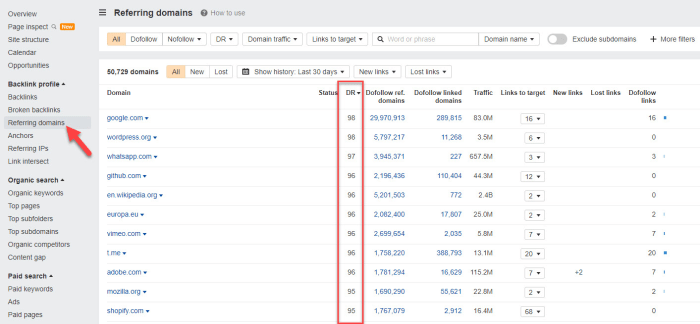
- Referring Domains: The total number of unique domains that link to your site, indicating diversity.
- Backlink Count: The sheer number of backlinks pointing to a website, which plays a role in popularity.
Tools like Ahrefs, SEMrush, and Moz are instrumental in providing comprehensive backlink analysis, allowing site owners to track these metrics. For instance, Ahrefs’ Site Explorer tool allows users to view their backlink profile, including the quality and quantity of links, helping to inform strategies for improvement.
Strategies for Enhancing Link Popularity
Beyond merely acquiring links, enhancing link popularity involves strategic approaches focusing on quality and context. Here are effective strategies to consider:
- Create Valuable Content: Producing high-quality, informative, and engaging content encourages others to link back to your site.
- Guest Blogging: Writing articles for reputable sites within your niche can drive traffic and earn backlinks.
- Build Relationships: Networking with influencers and industry leaders can lead to natural link opportunities.
- Utilize Social Media: Promoting content on social media platforms can increase visibility and attract backlinks organically.
- Monitor Competitor Backlinks: Analyzing your competitors’ backlink profiles can unveil new link-building opportunities.
Employing these strategies not only aims to increase the number of backlinks but also focuses on enhancing the overall quality and relevance of the links, leading to sustainable improvements in link popularity and search engine rankings.
Diverse Content Strategies
In the realm of natural link acquisition, diverse content strategies play a pivotal role in attracting backlinks that enhance your site’s authority and visibility. Exploring various content formats allows for creative engagement with your audience while providing them with valuable resources. This section will delve into effective methods, including email list building, paid surveys, podcasting, and product creation strategies, all aimed at generating quality links organically.
Email List Building for Link Acquisition
Building an email list is essential for any link acquisition strategy, as it allows direct communication with your audience. A robust email list enables you to promote new content, share insights, and foster relationships. Here’s a simple plan for creating an email list to support your link acquisition efforts:
- Utilize Lead Magnets: Offer high-value resources, such as eBooks or exclusive content, in exchange for email sign-ups. This incentivizes users to join your mailing list.
- Leverage Social Media: Promote your lead magnets across various platforms to attract a wider audience. Engaging with followers can create interest in your content.
- Implement Sign-Up Forms: Place strategically designed forms on your website, particularly on high-traffic pages, to capture visitor details seamlessly.
Running Paid Surveys for Valuable Insights
Paid surveys can be a powerful tool for generating insights that lead to content that attracts links. By investing in surveys, you can gather quantitative data from your audience that reflects their preferences, opinions, and needs. Using this information, you can create targeted content that resonates well with your audience, increasing the chances of earning backlinks.For instance, if a survey highlights a specific industry pain point, crafting in-depth articles addressing those issues can drive traffic and encourage other sites to reference your work as a credible resource.
Benefits of Podcasting for Natural Link Generation
Podcasting is an increasingly popular medium for content delivery, offering unique benefits for natural link generation and networking. Engaging with listeners through audio content fosters a personal connection, creating opportunities for partnerships and link exchanges. The interactive nature of podcasts allows for guest appearances, which not only enrich the content but also enhances visibility through the guest’s audience. Additionally, podcasts can be transcribed into blog posts, providing more linkable content while maximizing the reach of your message.
Examples of Successful PPC Advertising Campaigns
PPC advertising can also play a crucial role in link acquisition. Well-planned campaigns can drive traffic to landing pages that are rich in shareable content, resulting in high-quality backlinks. A notable example is the “Will It Blend?” campaign by Blendtec. This creative campaign showcased product capabilities through entertaining videos, leading to a surge in traffic and links to their site.
Another example is the “Old Spice” campaign, which effectively utilized humor and viral marketing strategies, resulting in significant buzz and inbound links from various media sources.
PPC Publishing Strategy for Link-Worthy Content
To create link-worthy content through PPC publishing, it’s essential to develop a focused strategy that aligns with your overall link acquisition goals. Key steps in this strategy include:
- Targeting Specific Niches: Identify and target specific audience segments likely to be interested in your content for better engagement.
- Creating High-Quality Content: Invest in professional content creation that provides value, ensuring it is shareable and engages viewers.
- Tracking Performance: Utilize analytics tools to monitor the effectiveness of your PPC campaigns in driving traffic and generating links.
Key Steps in Product Creation for Organic Link Generation
Creating a product that naturally attracts links requires a strategic approach. Some essential steps include:
- Identifying Market Needs: Conduct thorough research to understand gaps in the market and tailor your product to meet those needs.
- Building Anticipation: Utilize marketing channels to create buzz before the launch, engaging potential customers and influencers.
- Offering Value: Ensure your product delivers real value, increasing the likelihood of being referenced by others in your industry.
Product Launching Strategy for Natural Links
A well-executed product launch can incorporate outreach efforts aimed at gaining natural links. This strategy should involve:
- Creating Press Releases: Develop compelling press releases that highlight unique aspects of your product, targeting relevant media outlets for coverage.
- Engaging Influencers: Collaborate with industry influencers to review or promote your product, facilitating backlinks from their platforms.
- Utilizing Email Outreach: Reach out to your email list and relevant bloggers about the product launch, inviting them to share or link back to your content.
Final Summary
In summary, adopting effective natural link acquisition strategies can transform your online presence and drive sustainable traffic to your website. By prioritizing quality content and engagement, you build a strong foundation for ongoing link growth and enhance your overall marketing efforts.
Essential Questionnaire
What are natural link acquisition strategies?
Natural link acquisition strategies involve creating high-quality content and engaging in community interactions to earn backlinks organically.
Why is shareable content important?
Shareable content attracts more visitors and increases the likelihood of acquiring links from other websites, enhancing your link-building efforts.
How does social media help in link acquisition?
Social media platforms allow for the promotion of your content, making it easier for users to discover and link to it.
What metrics should I track for link popularity?
You should monitor metrics such as the number of backlinks, domain authority, and referral traffic to gauge your link popularity.
Can PPC campaigns help with link acquisition?
Yes, well-structured PPC campaigns can drive traffic to your content, resulting in more organic links as users share it with their networks.