Daily vs weekly podcast format Exploring Engagement Strategies

Daily vs weekly podcast format

Daily vs weekly podcast format presents a fascinating exploration into the world of audio content creation, where podcasters must navigate the delicate balance between frequency and listener engagement. Choosing the right format can significantly impact not only audience retention but also overall satisfaction and growth.

In this discussion, we will delve into the benefits of daily and weekly podcast formats, showcasing successful examples and effective strategies for building a dedicated listener base. By comparing listener retention rates and audience engagement techniques, we aim to equip aspiring podcasters with essential insights for their journey.

Daily Podcast Format

The daily podcast format has gained significant traction as creators seek to engage their audiences more frequently. This format offers a unique opportunity to build a closer connection with listeners by delivering consistent and timely content. With the rise of multitasking and on-the-go lifestyles, daily podcasts can cater to the needs of audiences who crave fresh content regularly.One of the primary benefits of a daily podcast format is the increased listener engagement.

By offering daily episodes, podcasters can maintain a continuous presence in their listeners’ lives. This not only encourages habitual listening but also fosters a sense of community around the content. For example, popular daily podcasts like “The Daily” by The New York Times and “Up First” by NPR have shown remarkable success in retaining audiences. These shows provide timely news updates and insights, making them essential listening for many who want to stay informed.

Listener Retention Rates Comparison

Understanding listener retention rates is crucial in evaluating the effectiveness of daily versus weekly podcast formats. Daily podcasts typically enjoy higher retention due to their regularity and the opportunity for listeners to engage consistently. Below is a comparison table illustrating the listener retention rates of daily and weekly podcasts based on recent studies.

Podcast Format Average Listener Retention Rate Engagement Level
Daily Podcast 70% – 80% High
Weekly Podcast 50% – 60% Moderate

The data indicates that daily podcasts tend to retain more listeners compared to their weekly counterparts. This can be attributed to the habitual nature of daily listening, where audiences are more likely to tune in regularly, leading to a deeper connection with the content and the creators. Additionally, daily podcasts can adapt quickly to audience feedback and current events, keeping the content relevant and engaging.

Daily podcasts offer a unique opportunity to build a closer connection with listeners through consistent and timely content.

Weekly Podcast Format
Daily vs weekly podcast format

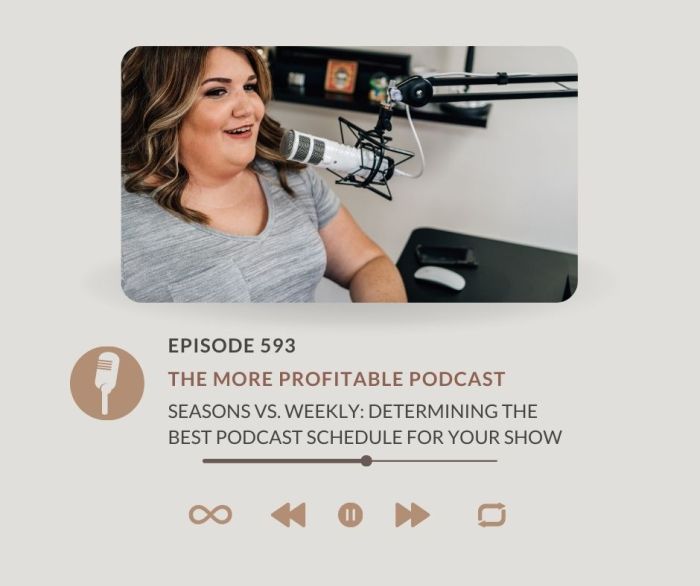
The weekly podcast format has gained traction among creators looking to deliver consistent and engaging content. This approach allows hosts to dive deeper into specific topics while providing ample time for research and production, ultimately enhancing the listener experience. The advantages of adopting a weekly podcast format are particularly evident in terms of content planning. Unlike daily podcasts that may require quick turnaround times, weekly formats allow creators to curate high-quality episodes.

This gives podcasters the opportunity to conduct thorough research, assemble guests, and craft well-thought-out narratives. The pacing of a weekly release can help build anticipation among listeners, making each episode feel like a significant event rather than just another piece of content.

Popular Weekly Podcasts and Their Strategies

There are numerous successful weekly podcasts that exemplify effective strategies for maintaining listener interest. Popular shows like “The Joe Rogan Experience,” “This American Life,” and “The Daily” effectively engage their audiences through diverse techniques.

  • The Joe Rogan Experience utilizes long-form conversations with a variety of guests, which encourages in-depth discussions on various topics. This format allows listeners to develop a connection with both the host and the guests over time, fostering loyalty and ongoing interest.
  • This American Life employs storytelling techniques that weave personal narratives with broader societal themes, captivating listeners week after week. The show’s structure includes segments focusing on different stories, keeping content fresh and engaging.
  • The Daily features well-researched news stories presented in a compelling manner. The podcast’s emphasis on current events combined with expert insights creates a sense of urgency and relevance that resonates with its audience.

These shows highlight the importance of variety, storytelling, and relevance in keeping listeners engaged.

Best Practices for Creating Engaging Weekly Podcast Episodes

To create compelling weekly podcast episodes, a set of best practices can be invaluable in achieving listener retention and satisfaction. Implementing these strategies can enhance the overall quality and appeal of the podcast.

Consistent Release Schedule

Maintaining a regular release schedule helps build audience expectations and fosters routine listening habits.

Engaging Content

Focus on captivating topics that resonate with your target audience. Research trending themes and audience preferences to stay relevant.

Guest Appearances

Featuring expert guests or industry influencers adds credibility and diverse perspectives, enriching the conversation and attracting their followers.

Audience Interaction

Encourage listener feedback through social media or dedicated platforms. Engaging with your audience can create a sense of community and loyalty.

Quality Production

Invest in good audio equipment and editing software to ensure high-quality sound. Clear audio is essential for an enjoyable listening experience.

Show Notes and Resources

Provide show notes or additional resources to complement the episode content, allowing listeners to explore topics further.By following these best practices, podcasters can create engaging episodes that not only attract but also retain a loyal audience, fostering a vibrant podcast community.

Audience Engagement Strategies

Daily vs weekly podcast format

Building a listener base for both daily and weekly podcasts is essential for long-term success. Utilizing effective engagement strategies not only attracts new listeners but also retains your existing audience by fostering a sense of community and connection. Here are some methods that can enhance listener engagement and boost your podcast’s popularity.

Methods for Building a Listener Base

Creating a strong listener base requires a strategic approach that combines quality content with effective promotion. Here are key strategies to consider:

  • Social Media Promotion: Engage with potential listeners on platforms like Instagram, Twitter, and Facebook. Share snippets of your podcast, behind-the-scenes content, and encourage discussions around your episodes.
  • Collaboration with Other Podcasters: Partnering with other podcasters can introduce your show to their audience. Guest appearances on each other’s shows or co-hosting special episodes can be mutually beneficial.
  • Email Newsletters: Building an email list allows you to communicate directly with your audience. Share episode updates, exclusive content, and solicit feedback to make your listeners feel involved.
  • Listener Feedback Integration: Encourage listeners to provide feedback and incorporate their suggestions into future episodes. This not only makes them feel valued but also aligns your content with their interests.
  • Engaging with Reviews: Actively respond to listener reviews and comments. This creates a connection and shows that you appreciate their input, fostering loyalty.

Using Paid Surveys to Gauge Audience Preferences

Paid surveys can provide valuable insights into your audience’s preferences regarding podcast content and formats. This data helps in tailoring your episodes to meet listener expectations.

  • Targeted Audience Insights: Utilizing platforms like SurveyMonkey or Google Forms can help you reach specific demographics. Design surveys that address key aspects such as episode length, preferred topics, and frequency of releases.
  • Incentivizing Participation: Offering incentives, such as gift cards or exclusive content, can significantly increase survey participation rates, leading to more comprehensive data.
  • Analyzing Trends Over Time: Conducting surveys periodically allows you to track changes in listener preferences, helping you adapt your podcast strategy accordingly.

Link Popularity Comparison for Daily vs. Weekly Podcasts

When analyzing link popularity, the frequency of podcast uploads can significantly influence traffic generation. Here’s a breakdown of how daily and weekly podcasts differ in this regard:

Podcast Format Link Popularity Traffic Generation Potential
Daily Podcast Higher Daily content keeps listeners engaged and encourages frequent sharing, leading to more backlinks.
Weekly Podcast Moderate Less frequent episodes may lead to fewer backlinks, yet they can still generate substantial traffic through focused marketing efforts.

“Daily podcasts tend to have a quicker accumulation of backlinks due to their frequent content updates, while weekly podcasts can build anticipation, leading to dedicated traffic on release days.”

Last Word

In conclusion, the choice between a daily or weekly podcast format hinges on various factors, including content planning, audience preferences, and engagement strategies. By understanding the unique benefits and challenges of both formats, podcasters can tailor their approach to foster a loyal and engaged audience.

FAQ Section

What are the key benefits of a daily podcast?

A daily podcast can enhance listener engagement through consistent content, allowing for real-time discussions and quicker feedback loops.

How can I effectively plan content for a weekly podcast?

Planning for a weekly podcast involves creating detailed Artikels, scheduling recording sessions in advance, and maintaining a content calendar to ensure variety and relevance.

Which format is better for audience growth?

Both formats can be effective; daily podcasts often attract quick attention, while weekly ones may build deeper connections over time.

How do I gauge listener preferences between the formats?

Using surveys and social media polls can help you understand your audience’s preferences and tailor your podcast format accordingly.

Can I switch between daily and weekly formats?

Yes, many podcasters start with one format and adjust based on audience feedback and personal capacity, but it’s essential to communicate changes to your listeners.

Best podcast recording software for seamless storytelling

22 Best Free Podcast Recording Software – TechCult

Best podcast recording software empowers creators to transform their ideas into engaging audio experiences. The landscape of podcasting is continually evolving, and with the right tools, anyone can produce high-quality content that resonates with listeners. This overview will navigate the most popular software options available today, highlighting their unique features, user-friendliness, and essential elements that contribute to a successful podcasting journey.

From audio quality to editing capabilities, the right software can greatly enhance your podcasting experience. We’ll delve into the vital features that every podcaster should consider, ensuring that you can easily select the best fit for your needs, whether you’re just starting out or looking to refine your craft.

Best Podcast Recording Software Overview

Best podcast recording software

Choosing the right podcast recording software can significantly impact the quality of your audio and the overall production process. With numerous options available, each software offers a unique set of features tailored to various needs, skill levels, and production complexities. This overview highlights some of the best podcast recording software currently available, focusing on their key features and user experience for both novices and seasoned professionals.

Top Podcast Recording Software

Understanding the strengths and specialties of different podcast recording software is essential for podcasters. Here is a list of the most popular software options, detailing their unique features and usability.

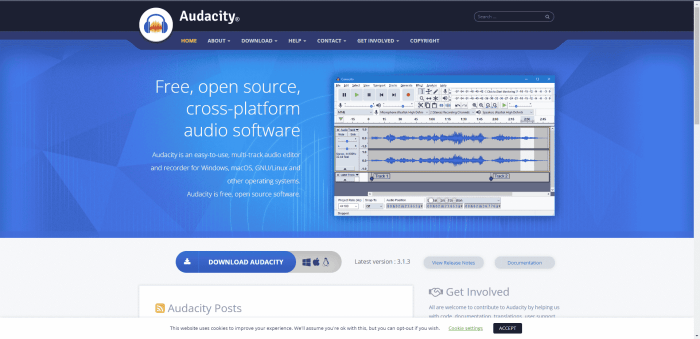
  • Audacity: Audacity is a free, open-source software that is widely used for audio recording and editing. Its key features include multi-track editing, numerous audio effects, and a user-friendly interface. While it may have a steeper learning curve for beginners due to its vast array of tools, experienced users appreciate its flexibility and depth.
  • Adobe Audition: As part of the Adobe Creative Cloud suite, Adobe Audition offers professional-grade tools for audio editing and mixing.

    Its features include spectral editing, noise reduction, and multitrack recording. While it provides an extensive range of functionalities suited for advanced users, its price point and complexity might be daunting for beginners.

  • GarageBand: Exclusive to Mac users, GarageBand is an intuitive option for newcomers to podcasting. It provides a simple interface, pre-recorded loops, and built-in sound effects. The ease of use makes it a favorite for beginners, but it may lack the advanced features that seasoned podcasters seek.

  • SquadCast: Designed specifically for remote podcasting, SquadCast excels in providing high-quality audio recordings for interviews. Its unique feature is the ability to record in separate audio tracks to ensure clarity. The user interface is straightforward, making it accessible for users at all levels.
  • Reaper: Known for its affordability and extensive customization options, Reaper offers a robust platform for audio recording and editing.

    It includes features like multi-track recording, VST plugin support, and MIDI compatibility. While it may require some initial setup, users find it highly efficient once customized to their needs.

  • Hindenburg Journalist: Tailored specifically for podcasters and journalists, Hindenburg Journalist focuses on storytelling and voice recordings. Its automatic leveling and easy-to-use interface make it a strong choice for beginners, while advanced features like sound effects and music integration appeal to more experienced users.

  • Zencastr: Zencastr provides a browser-based recording solution that captures high-quality audio from multiple remote sources. Its automatic post-production features and easy-to-use interface are beneficial for novice podcasters, while professionals appreciate the seamless integration of various audio tracks.

Each software listed not only caters to different skill levels but also enhances the podcasting experience through innovative features designed to improve audio quality and streamline the editing process. The choice of software ultimately depends on the specific needs of the podcaster, whether they prioritize ease of use, advanced editing capabilities, or remote recording options.

Essential Features for Podcasting Software

In the world of podcasting, the right software can significantly enhance the recording and editing process. Selecting software with essential features ensures a smooth workflow, high audio quality, and effective collaboration amongst team members. This section delves into the vital aspects that podcast recording software should possess to elevate the podcasting experience.

Importance of Audio Quality and Editing Tools

Audio quality remains a cornerstone of any successful podcast. The clarity and richness of sound can greatly influence how audiences perceive content. High-quality audio recording capabilities minimize background noise and ensure that the host’s voice is crisp and clear. Essential editing tools are equally important. They allow podcasters to cut out mistakes, adjust volume levels, and add effects or music seamlessly.

A well-rounded software package typically includes features like noise reduction, equalization, and multi-track editing.

High-quality audio combined with effective editing tools can turn a good podcast into a great one.

Cloud Storage and Collaboration Features

Cloud storage options are increasingly crucial in today’s collaborative work environment. With cloud capabilities, podcasters can easily back up their recordings, ensuring that no precious content is lost. Additionally, these features facilitate the sharing of audio files among team members, regardless of their location.Collaboration tools within podcasting software allow multiple users to work on a single project simultaneously. This feature is particularly beneficial for teams, as it enables real-time feedback and edits.

The ability to comment, suggest changes, and track revisions improves the overall quality of the final product.

Comparison of Pricing Structures

When it comes to choosing podcast recording software, understanding the pricing structures is essential. Different software options offer varying features at distinct price points, making it important for podcasters to find a balance between cost and functionality.Here’s a comparison of popular podcast software pricing:

Software Pricing Model Key Features
Adobe Audition Subscription: $20.99/month Multi-track editing, noise reduction, effects library
Audacity Free Open-source, basic editing tools, cross-platform
SquadCast Starting at $20/month Remote recording, cloud storage, video option
Riverside.fm Starting at $15/month High-quality video & audio recording, cloud storage

This comparison highlights how diverse the options are, enabling podcasters to choose a software solution that fits their needs and budget. By weighing the features against the cost, creators can select the best tools to help realize their podcasting dreams.

Enhancing Podcast Reach and Engagement

22 Best Free Podcast Recording Software – TechCult

Expanding your podcast’s audience and engagement levels requires a strategic approach that leverages modern digital marketing techniques. The landscape of podcasting is competitive; hence, utilizing the right tools and strategies can make a substantial difference in attracting listeners and creating a loyal following.

Building an Audience Through Social Media and Online Platforms

Social media is an invaluable resource for podcasters aiming to grow their audience. By employing various strategies across platforms, creators can effectively reach potential listeners. Here are key strategies to consider:

  • Content Sharing: Regularly share snippets or highlights from episodes on platforms like Instagram, Twitter, and Facebook. This gives potential listeners a taste of what to expect.
  • Engagement: Interact with followers through polls, Q&A sessions, and comments, making them feel involved in the podcast’s development.
  • Collaborations: Partner with other podcasters or influencers to cross-promote content. This can help tap into their audience base.
  • Hashtags and Trends: Utilize trending hashtags to increase visibility of your posts and tap into larger conversations relevant to your podcast themes.

Role of PPC Advertising in Promoting Podcasts

Pay-per-click (PPC) advertising plays a crucial role in enhancing the visibility of podcasts. It allows podcasters to target specific audiences effectively. Here’s why PPC can be beneficial:

  • Targeted Advertising: Platforms like Google AdWords and Facebook Ads enable you to target specific demographics based on interests, behaviors, and locations, ensuring your ads reach potential listeners.
  • Measurable Results: PPC campaigns provide analytics that help in understanding listener behavior and preferences, allowing for data-driven decisions to optimize future campaigns.
  • Budget Control: You can set a budget for your campaigns, making it manageable for creators of all sizes. This ensures that you can effectively control your marketing spend while reaching a broader audience.

Utilizing Paid Surveys for Listener Feedback

Gathering feedback through paid surveys is an effective method for improving podcast content. By understanding listener preferences, podcasters can tailor their episodes to better meet audience needs. Here are some methods to implement this:

  • Survey Creation: Develop surveys that ask targeted questions about content preferences, episode length, and desired topics. Use platforms like SurveyMonkey or Google Forms for easy distribution.
  • Incentivization: Offer small rewards or entry into a prize draw to encourage listeners to complete surveys, improving participation rates.
  • Analysis of Results: Regularly analyze feedback to identify trends and areas for improvement, ensuring that the content remains relevant and engaging to your audience.

“Feedback is the breakfast of champions.” This phrase highlights the importance of listener input in refining and enhancing podcast content.

Outcome Summary

In conclusion, selecting the right podcast recording software is crucial for elevating your audio content and building a loyal audience. The tools we discussed not only enhance the technical aspects of podcasting but also offer crucial features that facilitate collaboration and audience engagement. As you embark on or continue your podcasting journey, remember that the right software can significantly impact your storytelling and listener experience.

Helpful Answers

What is the best podcast recording software for beginners?

Software like Audacity and GarageBand are great for beginners due to their user-friendly interfaces and essential features.

Can I record podcasts directly on my phone?

Yes, there are many mobile apps available, such as Anchor and GarageBand for iOS, that allow you to record high-quality podcasts directly from your smartphone.

Is it necessary to invest in expensive software for podcasting?

No, many affordable or even free software options provide excellent features suitable for podcasters at any level.

How can I improve my podcast audio quality?

Using quality microphones, headphones, and soundproofing your recording environment can greatly enhance your audio quality.

What editing features should I look for in podcast software?

Look for software that offers multi-track editing, noise reduction, and easy audio effects to refine your recordings.

How to start a podcast in 2025 Your Ultimate Guide

How to start a podcast in 2025

How to start a podcast in 2025 sets the stage for this enthralling narrative, offering readers a glimpse into a story that is rich in detail and brimming with originality from the outset.

In this digital age, podcasting has rapidly evolved into a powerful medium for storytelling, information sharing, and branding. With the right tools and strategies, anyone can dive into the world of podcasting. Understanding the basics, developing a robust launch strategy, and exploring monetization avenues are essential steps for success. Whether you’re a seasoned creator or a newbie, this guide will provide you with the insights you need to navigate the podcasting landscape in 2025.

Understanding Podcasting Basics

How to start a podcast in 2025

Starting a podcast in 2025 requires a solid grasp of the foundational elements that make it successful. With the rise of digital audio content, understanding these basics not only ensures your podcast is relevant but also engaging and valuable to your audience. When delving into podcasting, it’s essential to recognize the key components that contribute to a well-rounded show. From planning content to understanding audio quality, each element plays a crucial role in the overall success of your podcast.

Moreover, the variety of podcasts available caters to diverse audiences, each with unique preferences and interests.

Essential Elements Needed to Start a Podcast

Several critical elements need to be in place before launching a podcast. These include:

  • Concept and Content: A clear idea or theme is vital to attract and retain listeners. This includes identifying your target audience and the topics that resonate with them.
  • Equipment: Quality equipment enhances audio clarity. Essential tools include a good microphone, headphones, and recording software.
  • Hosting Platform: Selecting a reliable podcast hosting service is necessary for distributing your episodes to major platforms like Apple Podcasts and Spotify.
  • Artwork and Branding: Eye-catching podcast artwork alongside consistent branding helps in creating a recognizable identity.

Types of Podcasts and Their Target Audiences

The podcasting landscape in 2025 features a myriad of formats, each designed to appeal to specific listener demographics. Understanding these types can significantly influence your approach to content creation. Some of the common podcast formats include:

  • Interview Podcasts: Featuring guests who provide expert insights, these are popular among audiences interested in learning from professionals in various fields.
  • Narrative/Storytelling Podcasts: These podcasts focus on storytelling, often captivating audiences through engaging narratives. They can range from true crime to personal anecdotes.
  • Educational Podcasts: Catering to listeners eager to learn, these podcasts offer in-depth analysis and discussions on specific topics, appealing to students and professionals alike.
  • Roundtable Discussions: Group discussions on trending topics foster a community feel, attracting listeners who enjoy diverse perspectives.

Technological Advancements Impacting Podcasting

The podcasting industry has evolved rapidly due to technological innovations. These advancements have transformed how content is created, distributed, and consumed. Notable technologies influencing podcasting include:

  • AI-Powered Tools: Tools that assist in editing, transcribing, and even generating content have made the podcasting process more efficient and accessible.
  • Interactive Features: Some platforms are now incorporating interactive options like polls or live Q&A sessions, enhancing listener engagement.
  • Improved Analytics: Advanced analytics tools enable podcasters to track listener behavior and tailor content accordingly, optimizing growth strategies.

In this evolving landscape, staying updated with technological trends will position your podcast for success in the competitive market.

Building a Podcast Launch Strategy

Creating a successful podcast requires a well-thought-out launch strategy. This involves establishing a strong brand identity, organizing content effectively, and promoting your show to attract listeners. A solid launch strategy not only sets the tone for your podcast but also positions it for long-term success. Let’s delve into the key components that will help you build an effective launch strategy.

Creating a Podcast Brand and Identity

Establishing a unique brand and identity for your podcast is crucial. A strong brand helps your podcast stand out in a crowded market and conveys the essence of your content to potential listeners. Consider the following elements when crafting your brand:

  • Podcast Name: Choose a name that reflects your podcast’s theme and is memorable. A catchy name can pique interest and encourage sharing.
  • Logo and Cover Art: Design eye-catching visuals that align with your brand. The cover art should be visually appealing and convey the subject matter effectively. Consider using bold colors and clear fonts.
  • Tone and Voice: Define the tone and voice of your podcast. This will guide how you communicate with your audience, whether it’s casual, formal, humorous, or serious.

Organizing a Content Calendar for Podcast Episodes

A content calendar is instrumental in planning your episodes and ensuring consistency. By organizing your content ahead of time, you can maintain a steady release schedule and prevent last-minute scrambling. Here’s how to create an effective content calendar:

  • Episode Themes: Brainstorm themes or topics for each episode. This helps in maintaining a cohesive narrative and ensures that each episode builds on the last.
  • Release Schedule: Decide how often you want to release episodes, whether weekly, bi-weekly, or monthly. Consistency is key to building an audience.
  • Guest Scheduling: If you plan to have guests, reach out and schedule interviews in advance. This allows you to diversify content and attract different listeners.

Effective Methods for Promoting a Podcast

Promoting your podcast effectively before and after its launch is essential for building an audience. Here are some strategies to consider:

  • Teaser Trailers: Release short teaser trailers before the launch. Use engaging audio snippets to create buzz and anticipation.
  • Social Media Presence: Utilize platforms like Instagram, Twitter, and Facebook to share updates, behind-the-scenes content, and engage with potential listeners. Create a dedicated page for your podcast to centralize content.
  • Collaborations: Partner with other podcasters or influencers in your niche. Guest appearances and cross-promotion can expand your reach significantly.
  • Email Marketing: Build an email list and send regular updates about your podcast. This can include episode releases, special content, or exclusive insights.
  • Launch Events: Consider hosting a virtual launch event where you can interact with potential listeners and discuss what they can expect from your podcast.

“A well-crafted brand and strategic promotion can make all the difference in a podcast’s success.”

Monetizing Your Podcast

The journey of podcasting often leads to the question of monetization. Turning a passion for creating audio content into a revenue-generating endeavor is not only possible but can be achieved with strategic planning and execution. As you build your listener base, it’s essential to explore various monetization avenues that align with your podcast’s theme and audience preferences.

Building a Loyal Listener Base

A dedicated listener base is the foundation of a successful podcast, enhancing your potential for monetization. Engaging with your audience fosters loyalty and encourages organic growth through word-of-mouth. Here are some effective strategies to build that audience:

  • Consistent Release Schedule: Regularly schedule episodes to create anticipation and a routine for listeners.
  • Engaging Content: Focus on high-quality, relevant content that resonates with your audience’s interests and needs.
  • Social Media Interaction: Utilize social platforms to connect with listeners, share behind-the-scenes content, and encourage discussions.
  • Listener Feedback: Actively seek feedback and incorporate listener suggestions to improve your podcast and make them feel valued.
  • Community Building: Create a community around your podcast, such as forums or groups, to encourage interaction among listeners.

A loyal audience amplifies your podcast’s popularity, which can attract advertisers and sponsors.

Options for Monetizing a Podcast

Once you have established a solid listener base, you can explore various monetization options to generate income. Here are some of the most common methods:

  • Sponsorships: Partnering with brands that align with your podcast’s content can lead to lucrative sponsorship deals, where companies pay you to promote their products or services.
  • Affiliate Marketing: By promoting products relevant to your audience, you can earn a commission for each sale made through your referral links.
  • Premium Content: Offering exclusive content or ad-free episodes through subscription platforms can provide a steady revenue stream.
  • Merchandising: Selling branded merchandise, such as clothing or accessories, can enhance your podcast’s identity while generating income.
  • Live Events: Hosting live podcast recordings or events allows for ticket sales and merchandise opportunities.

Each of these options can be effectively utilized based on your audience’s interests and your podcast’s theme.

Using Paid Surveys and PPC Advertising

Promoting your podcast can also be achieved through paid surveys and pay-per-click (PPC) advertising, which can enhance visibility and listener engagement. Both methods can bring your podcast to a larger audience, driving more traffic to your content.

Paid surveys can be an effective marketing tool to understand your audience better. They can also create incentives for listeners to engage with your content more deeply. Meanwhile, PPC advertising allows you to target specific demographics that align with your podcast’s theme, ensuring that your promotional efforts reach the right people. Here’s how to effectively utilize these tools:

  • Choose the Right Platforms: Select platforms that cater to your audience, such as Google Ads or social media advertising, to run PPC campaigns.
  • Create Compelling Ads: Design ads that highlight your podcast’s unique selling points, encouraging clicks and listens.
  • Incentivize Survey Participation: Offer something of value, such as exclusive content or entry into a giveaway, for completing surveys.
  • Analyze Results: Regularly review the performance of your ads and surveys to refine your strategies and improve engagement.

These strategies not only expand your listener base but also provide valuable insights into your audience’s preferences, further informing your monetization strategies.

Closure

How to start a podcast in 2025

In conclusion, embarking on your podcasting journey in 2025 can be an exciting and rewarding experience. By grasping the foundational elements, crafting a unique brand, and utilizing effective promotional strategies, you can build a loyal audience and monetize your content. Remember, success in podcasting doesn’t happen overnight; it requires dedication, creativity, and continuous learning. So, gear up and get ready to share your voice!

Popular Questions

What equipment do I need to start a podcast?

At minimum, you’ll need a good quality microphone, headphones, and audio editing software. Some podcasters also invest in mixers and recording devices for better sound quality.

How long should my podcast episodes be?

Episode length can vary, but typically ranges from 20 to 60 minutes. The key is to keep your content engaging and relevant to your audience.

How can I promote my podcast effectively?

Utilize social media, collaborate with other podcasters, use strategies for your podcast descriptions, and consider launching teaser episodes before your official launch.

What are common mistakes to avoid when starting a podcast?

Common mistakes include having poor audio quality, inconsistent posting schedules, and failing to engage with your audience. Focus on quality content and regular interaction.

Is it necessary to have a website for my podcast?

While not strictly necessary, having a website can help you establish a brand presence, provide additional content, and optimize for search engines.

Get gift cards for completing surveys effortlessly

Get gift cards for completing surveys

Get gift cards for completing surveys opens up a world of opportunities where your opinions can translate into tangible rewards. Imagine sipping your morning coffee while sharing your thoughts on products and services, all while earning gift cards that you can use for your favorite stores and online platforms. It’s not just about sharing ideas; it’s about being rewarded for your time and insights.

Many survey platforms out there allow you to earn gift cards, providing you with a flexible way to monetize your opinions. From well-known sites to niche platforms, there’s a variety of options to explore, each offering unique advantages and experiences. Understanding the benefits of gift cards can make your participation in surveys more worthwhile, adding an exciting twist to your everyday routine.

Understanding Gift Cards for Surveys

Get gift cards for completing surveys

Earning gift cards by completing surveys is a popular way to gain rewards for sharing your opinions. Many companies seek consumer feedback to improve their products and services, and in return, participants can earn various gift cards as incentives. This practice has gained traction, as it allows users to convert their time and insights into tangible rewards that can be used for everyday purchases.Popular survey platforms have embraced the gift card model as a rewarding incentive.

Notable examples include Swagbucks, Survey Junkie, and InboxDollars. These platforms not only allow users to take surveys but also provide a diversified range of gift card options, from popular retailers like Amazon and Starbucks to well-known brands such as Target and Walmart.

Advantages of Gift Cards Compared to Other Reward Methods

Gift cards offer several distinct advantages over traditional reward methods, enhancing their appeal to survey participants. These benefits include:

1. Flexibility in Use

Gift cards can be used across various retailers, providing participants the freedom to choose how they want to spend their rewards. For instance, someone might prefer using a gift card for groceries while another might choose to use it for online shopping.

2. Instant Gratification

Unlike cash rewards that may take time to process, gift cards are often delivered quickly, allowing users to redeem them almost immediately after completing surveys.

3. Encouragement for Participation

The allure of gift cards can motivate more individuals to participate in surveys, fostering a larger pool of feedback for companies. This not only benefits the survey participants but also improves the quality of insights companies can gather.

4. Variety of Options

Survey platforms typically offer a wide range of gift card choices, catering to different interests and preferences. This variety ensures that participants can find something that suits their needs, whether it’s dining out, shopping, or entertainment.

Gift cards empower participants by providing them with diverse spending options, turning their survey responses into valuable rewards.

Overall, earning gift cards through completing surveys provides a win-win situation for both consumers and businesses. Participants enjoy the benefits of flexible, instant rewards, while companies gain valuable insights to enhance their offerings.

Popular Survey Platforms

Many platforms offer users the opportunity to earn gift cards by participating in surveys. These platforms connect businesses seeking consumer opinions with individuals willing to share their insights. With a variety of options available, users can choose platforms that best fit their preferences and rewards.Survey platforms vary in user experience, earning potential, and the diversity of gift card options. Many users appreciate the flexibility and simplicity these sites provide.

Testimonials frequently highlight the ease of signing up, the straightforward survey process, and the satisfaction of receiving gift cards from popular retailers. Here, we will delve into some of the most popular survey platforms that reward participants with gift cards.

Top Survey Platforms Offering Gift Cards

The following platforms are among the most recognized for providing gift cards as rewards for completing surveys. Each offers unique features and benefits that cater to different user preferences.

Platform Gift Card Options User Experience
Swagbucks Amazon, Walmart, Starbucks Users enjoy a variety of earning options beyond surveys, including watching videos and shopping.
Survey Junkie Target, PayPal, Amazon Offers a straightforward user interface, with a focus on surveys and a high success rate in earning rewards.
InboxDollars Amazon, Walmart, Visa Users appreciate cash rewards and the option to earn through various online activities.
Pinecone Research Amazon, iTunes, PayPal Known for high payouts per survey and a simple, user-friendly approach.
MyPoints Amazon, Starbucks, Walmart Combines surveys with shopping rewards, making it popular among users who shop online.

User experiences vary, but many find value in the wide range of gift card choices available. Testimonials often reflect a common sentiment: “The best part about these platforms is the ability to earn rewards for sharing my opinions, and I love that I can choose gift cards for my favorite stores!” This affirmation highlights the appeal of these survey platforms in providing not just rewards, but rewards that resonate with users’ preferences.

Strategies for Maximizing Rewards

Engaging in surveys for gift cards can be a rewarding experience if approached with the right strategies. Understanding how to select the most lucrative surveys, manage your time effectively, and organize your survey platforms can significantly enhance your earnings. Below are effective methods to help you maximize rewards from your survey endeavors.

Effective Methods for Selecting Surveys

Choosing the right surveys can drastically influence your potential earnings. Not all surveys are created equal; some can offer significantly higher rewards than others. Here are important criteria to consider when selecting surveys:

  • Reward Amount: Always check the reward associated with each survey. Some platforms offer higher payouts for longer surveys, while others may give smaller rewards for quick tasks.
  • Survey Length: Assess the time it takes to complete a survey relative to its reward. A survey that takes 20 minutes for a $5 return might be less attractive than a 10-minute survey for $3.
  • Reputation of the Platform: Engage only with reputable survey platforms known for timely payouts. Reading reviews and user feedback can help inform your choices.
  • Target Audience Fit: Surveys often target specific demographics. If you fit the demographic profile for a survey, you may have a higher likelihood of being selected for additional surveys in the future.

Importance of Time Management

Time management is a crucial aspect of maximizing earnings from survey participation. Balancing your time effectively can lead to more opportunities and increased rewards. Consider these tips to manage your time well:

  • Set a Daily Limit: Determine how much time you can realistically dedicate to surveys each day. Setting a limit can help you stay focused and avoid burnout.
  • Prioritize High-Reward Surveys: Focus on completing surveys with the highest rewards first to ensure you are maximizing your time investment.
  • Use a Timer: Allocate specific blocks of time for survey completion. This will help you stay on task and assess your efficiency over time.
  • Track Your Earnings: Maintaining a log of your completed surveys and earnings can provide insight into which surveys are worth your time and which are not.

Building a List of Survey Platforms

Creating a comprehensive list of survey platforms can lead to more efficient access to opportunities. Organizing your resources plays a key role in maximizing your earnings. Here are steps to build your list effectively:

  • Research Popular Platforms: Start with well-known survey platforms like Swagbucks, Survey Junkie, and InboxDollars. These platforms are often recommended for their reliability and payout options.
  • Bookmark Sites: Use your browser’s bookmark feature to save the survey sites you frequently use. This will allow you to access them quickly and easily.
  • Join Multiple Platforms: To increase your options, consider signing up for several survey platforms. This increases your chances of receiving more survey invitations.
  • Stay Updated: Regularly check for new survey platforms and updates on existing ones. New platforms can offer unique opportunities and promotions.

“Maximizing rewards from surveys requires strategic selection, efficient time management, and organized access to multiple platforms.”

Ultimate Conclusion

Get gift cards for completing surveys

In summary, embracing the opportunity to get gift cards for completing surveys not only rewards your valuable insights but also enhances your shopping experience. With a plethora of platforms available, strategies to maximize your earnings, and the thrill of redeeming gift cards, you have everything you need to turn your free time into a rewarding venture. So why wait? Dive into the world of surveys and unlock your potential rewards today!

Helpful Answers

How can I start earning gift cards from surveys?

To start earning, sign up for reputable survey platforms, fill out your profile, and begin taking surveys that interest you.

Are all survey platforms free to join?

Yes, most survey platforms are free to join, but always check for any hidden fees or requirements.

How long does it take to earn a gift card?

The time to earn a gift card varies by platform and the number of surveys you complete, but many users find they can earn rewards within weeks.

Can I choose which gift cards to receive?

Yes, most survey platforms offer a variety of gift card options to choose from based on your preferences.

Is it worth my time to complete surveys for gift cards?

Many users find it a worthwhile and enjoyable way to earn rewards during their spare time, especially if you enjoy sharing your opinions.

Paid surveys for students a gateway to earnings

Paid surveys for students

Paid surveys for students opens up exciting opportunities for young individuals looking to earn some extra cash while sharing their opinions. These surveys provide a platform for students to engage with brands and market research companies, offering insights that can influence products and services. With the convenience of online platforms, students can easily navigate various options tailored specifically for them, making it a viable endeavor alongside their academic responsibilities.

Participating in paid surveys not only helps students earn money but also enhances their research skills and ability to articulate thoughts clearly. With numerous platforms available, understanding the advantages and how to maximize potential earnings can set students on a successful path in this rewarding venture.

Understanding Paid Surveys for Students

Paid surveys for students

Participating in paid surveys has become a notable avenue for students seeking flexible ways to earn some extra cash. These surveys allow students to share their opinions on various topics, products, and services, all while fitting seamlessly into their busy schedules. With the rise of digital platforms, students can now access numerous opportunities to engage in paid surveys from the comfort of their homes or campuses.Paid surveys typically involve companies seeking feedback from consumers to improve their products or services.

Students can register on various survey platforms and receive invitations to complete surveys that match their profiles. Upon completion, students are compensated, which can range from small monetary rewards to gift cards or other incentives. This form of earning is particularly appealing to students as it allows them to manage their time effectively and earn money without a long-term commitment.

Advantages of Participating in Paid Surveys for Students

The advantages of participating in paid surveys are significant, especially for students who are often juggling studies, part-time jobs, and social activities. Engaging in paid surveys can help students in several ways:

  • Flexible Schedule: Students can choose when and where to complete surveys, making it easy to fit into their existing commitments.
  • Potential Earnings: While individual survey payouts might be modest, consistent participation can lead to a substantial income over time. Some students report earning between $50 to $200 a month.
  • No Investment Required: Students can start earning money immediately without any upfront fees or investments.
  • Skill Development: Completing surveys can help students develop critical thinking and communication skills as they articulate their opinions on different topics.

Popular Platforms Offering Paid Surveys Targeted at Students

There are numerous platforms available for students to participate in paid surveys. These platforms are designed to cater specifically to the needs and preferences of student demographics. Here are some of the most popular ones:

  • Swagbucks: This platform allows users to earn points (Swagbucks) for taking surveys, which can be redeemed for cash or gift cards. It offers a wide variety of activities beyond surveys, such as watching videos and playing games.
  • Survey Junkie: Known for its user-friendly interface, Survey Junkie connects users with surveys that match their interests. Users can earn points for each survey completed, which can eventually be converted into cash via PayPal.
  • Pinecone Research: This platform is exclusive and often seeks out specific demographic groups, including students. They provide higher payouts for surveys, making it a lucrative option for those who qualify.
  • InboxDollars: Students can earn cash by completing surveys, reading emails, and participating in other online activities. The cash is paid directly into a user’s inbox, making it easy to track earnings.

Strategies for Maximizing Earnings from Paid Surveys

To make the most out of paid surveys, students need to adopt specific strategies that enhance their potential earnings. By carefully selecting the right surveys, organizing their time, and optimizing their profiles on survey sites, students can significantly increase their return on investment for the time they spend participating in these surveys.One of the first steps in maximizing earnings is to effectively find and select the best paid surveys.

It’s crucial for students to choose surveys that not only pay well but also align with their interests and demographics. The following are key tips that can aid in this selection process:

Finding and Selecting Paid Surveys

Choosing the right surveys involves a careful approach. Here are some strategies to consider:

  • Research reputable survey sites: Look for platforms that are well-reviewed and have a history of paying participants. Websites like Survey Junkie, Swagbucks, and Vindale Research are known for their reliability.
  • Sign up for multiple sites: By joining various survey platforms, students can access a wider range of surveys, increasing the chances of finding higher-paying options.
  • Read reviews: Before diving into a survey site, reading user reviews can provide insights into the types of surveys available and the payout processes.

Organizing time and efforts effectively is another approach to maximizing survey completion rates. Students often have busy schedules, so it’s essential to manage time wisely to fit in survey-taking.

Organizing Time for Survey Completion

Effective time management can significantly improve the number of surveys completed. Here are practical methods for organizing time:

  • Create a survey schedule: Allocate specific times during the week dedicated to completing surveys, treating it like a job to ensure consistency.
  • Set daily/weekly goals: Establish targets for the number of surveys to complete each day or week, helping to maintain focus and motivation.
  • Utilize downtime: Use gaps in the daily routine, such as commuting or waiting in line, to complete shorter surveys and maximize productivity.

Maintaining an updated profile on survey sites is vital for unlocking more survey opportunities. Survey platforms often use demographic information to match participants with relevant surveys.

Maintaining a Profile on Survey Sites

An accurate and comprehensive profile can enhance survey invitations significantly. Here are some reasons why profile maintenance is important:

  • Better survey matches: A detailed profile allows survey sites to offer surveys that are more aligned with the participant’s interests and demographic characteristics.
  • Increased survey invitations: Regularly updating profiles with new information can lead to a higher volume of survey invitations, increasing earning potential.
  • Higher quality surveys: An accurate profile helps ensure that participants receive surveys that are not only relevant but also more rewarding in terms of payout.

By integrating these strategies into their routine, students can effectively enhance their earnings from paid surveys, making the most out of their time and effort in this rewarding venture.

Related Marketing Concepts

Paid surveys for students

Understanding various marketing concepts can significantly enhance a student’s engagement with paid surveys. By utilizing strategies such as link popularity, list building, podcasts, PPC advertising, and product creation, students can maximize their survey opportunities and share valuable insights within their networks. These strategies not only increase visibility but also build a community around the topic of paid surveys.

Link Popularity and Visibility

Link popularity refers to the number and quality of external links pointing to a web page, which can greatly enhance visibility for survey opportunities. When students engage in sharing survey websites or their own experiences through blogs or social media, increasing the number of quality backlinks can improve search engine ranking. This, in turn, leads to greater visibility for survey opportunities.

Students can leverage this concept by:

  • Networking with fellow students and influencers in the survey niche to promote their content.
  • Participating in online forums and communities to share links and tips related to survey opportunities.
  • Creating valuable, shareable content that naturally attracts backlinks.

List Building for Sharing Opportunities

List building is an essential marketing strategy for students looking to share survey opportunities with their peers. Having a dedicated email list allows for direct communication and efficient sharing of valuable survey information. This strategy involves:

  • Encouraging classmates and friends to subscribe to a newsletter focused on survey opportunities.
  • Providing exclusive content or tips for subscribers to enhance interest in signing up.
  • Utilizing social media platforms to grow the list by promoting the benefits of staying informed about surveys.

Using Podcasts to Share Experiences

Podcasts can serve as an effective medium for students to share their paid survey experiences and tips. With the rising popularity of podcasts, students can delve into topics such as the best surveys to take, strategies for maximizing earnings, and personal anecdotes of success. Key points to consider include:

  • Identifying a niche audience interested in paid surveys to tailor content accordingly.
  • Inviting guests who have successfully navigated the paid survey landscape to share insights.
  • Utilizing storytelling techniques to make the content engaging and relatable.

PPC Advertising for Promotion

Pay-per-click (PPC) advertising can effectively promote a service or guide for students looking to navigate paid surveys. This form of advertising allows for targeted outreach, ensuring that the right audience sees the promotional materials. A plan for implementation might include:

  • Identifying s that potential survey-takers are likely to search for, such as “best paid surveys for students” or “earn money taking surveys.”
  • Creating compelling ad copy that highlights the benefits of the service or guide, such as earning potential and ease of use.
  • Setting a budget and monitoring performance to adjust strategies as needed for optimization.

Product Creation Ideas for Students

Creating products that appeal to students interested in paid surveys can provide additional value and income streams. Ideas for such products might include:

  • Developing an eBook that compiles successful strategies for taking surveys effectively.
  • Creating an online course that guides students through the process of signing up for and succeeding in paid surveys.
  • Offering a subscription service that provides curated survey opportunities based on the student’s demographic and interests.

Concluding Remarks

In conclusion, diving into paid surveys for students can be a lucrative and fulfilling experience, blending earning potential with personal growth. By choosing the right platforms, managing time effectively, and staying engaged with survey opportunities, students can significantly boost their income while developing valuable skills. This journey not only enriches their wallets but also their perspectives on consumer behavior and market trends.

Top FAQs

How much can students earn from paid surveys?

Earnings can vary widely depending on the platform and the number of surveys completed, typically ranging from a few cents to several dollars per survey.

Are paid surveys safe for students?

Yes, as long as students choose reputable survey sites, their information is generally safe. It’s important to avoid sites that ask for sensitive personal information.

How can students find the best paid survey sites?

Students can research through reviews, join online forums, and check recommendations from peers to find trustworthy survey platforms.

Is there a limit on how many surveys a student can take?

Some platforms may have limits based on availability, but generally, the more time students invest, the more surveys they can complete.

Can students participate in surveys from their mobile devices?

Yes, many survey platforms are mobile-friendly, allowing students to participate using smartphones and tablets.

Integrating list building with CRM for effective marketing

Integrating list building with CRM

Integrating list building with CRM opens up a world of possibilities for marketers, streamlining the process of capturing and nurturing leads. By combining effective list building strategies with robust CRM systems, businesses can enhance their outreach efforts, improve customer relationships, and ultimately drive conversions. This synergy not only makes the lead generation process more efficient but also ensures that the right messages reach the right audience at the right time.

With advanced segmentation and targeting capabilities, a CRM can transform how businesses approach their list building efforts, making it easier to personalize communication and foster meaningful connections. Additionally, integrating lead capture forms directly into CRM systems allows for seamless data collection, ensuring that every potential customer is accounted for and nurtured through the sales funnel.

Integrating List Building with CRM

Integrating list building with CRM

Integrating list building strategies with Customer Relationship Management (CRM) systems can revolutionize how businesses interact with potential customers. By combining these two elements, businesses not only enhance their marketing efficacy but also streamline their processes for managing customer data. This approach allows for better engagement and increased conversion rates through targeted campaigns and personalized outreach.CRM systems serve as robust platforms that facilitate the collection and management of leads.

They allow businesses to capture potential customer information seamlessly through various integrated forms. This method ensures that data is organized and readily accessible, making it easier for marketing teams to develop effective outreach strategies. Key methods for capturing leads through CRM-integrated forms include:

Methods for Capturing Leads

Employing effective techniques for lead capture is essential for building a valuable list. Here are some methods that can be implemented:

  • Web Forms: Integrating customizable web forms on landing pages that automatically feed data into the CRM. These forms can be embedded on websites, making it easy for visitors to subscribe or inquire.
  • Social Media Integration: Utilizing social media platforms to capture leads through targeted ads that direct users to CRM-enabled landing pages. This method harnesses the reach of social media for expanding the audience.
  • Event Management: Using CRM tools to manage events and webinars where registration forms are linked directly to the CRM, allowing for seamless data collection and follow-ups.
  • Email Sign-ups: Including sign-up forms in email campaigns that link directly to the CRM, encouraging subscribers to engage more deeply with the brand.

The integration of list building with a CRM also significantly enhances segmentation and targeting capabilities. Businesses can leverage the data stored within the CRM to create personalized marketing strategies that resonate with specific audience segments.

Enhancing Segmentation and Targeting

Effective segmentation is crucial for delivering relevant content to potential customers. By integrating list building with CRM systems, businesses can achieve finer segmentation based on various customer attributes. The advantages include:

  • Dynamic Segmentation: Utilizing real-time data to update customer segments automatically. This ensures that marketing efforts are always aligned with current customer behavior and preferences.
  • Behavioral Targeting: Analyzing customer interactions and feedback within the CRM to tailor messages that meet the interests of distinct segments, enhancing the likelihood of engagement.
  • Personalized Campaigns: Creating targeted campaigns based on demographic information, purchase history, and engagement levels derived from the CRM data, leading to higher conversion rates.
  • Improved Reporting: Leveraging CRM analytics to track the performance of segmented campaigns, allowing for adjustments based on real-time data and insights.

Integrating list building with CRM not only centralizes data management but also empowers businesses to craft highly targeted marketing efforts that resonate with their audience, ultimately driving better results.

Enhancing Link Popularity through CRM

Integrating Customer Relationship Management (CRM) systems with link-building strategies is a game-changer for boosting link popularity. By leveraging CRM data, businesses can enhance their outreach efforts, foster relationships, and track the effectiveness of their campaigns more efficiently.CRM systems provide valuable insights into customer behavior and engagement, which can be crucial for link-building initiatives. By analyzing customer data, businesses can identify potential partners and influencers who align with their brand and target audience.

This targeted approach not only increases the likelihood of securing quality backlinks but also nurtures long-term relationships that can lead to further collaborations.

Techniques for Using CRM Data to Boost Link Popularity

Utilizing CRM data effectively can significantly impact your link-building success. Here are techniques that can be implemented:

  • Segmenting Contacts: Categorizing your contacts based on industry, interests, or engagement levels can streamline outreach efforts. Focus on the segments that are most likely to yield high-quality links.
  • Tracking Engagement: Monitor interactions with your content to identify which pieces resonate most with your audience. This can guide future content development and outreach efforts.
  • Personalized Outreach: Use CRM insights to craft customized messages to potential link partners, increasing the chances of a positive response and collaboration.

Nurturing Relationships with Influencers Using CRM

Building strong relationships with influencers is crucial for effective link-building. Here’s how CRM can facilitate this process:

  • Automated Follow-ups: Use CRM tools to schedule automatic follow-ups with influencers after initial outreach, ensuring your communication remains active and engaged.
  • Engagement Tracking: Keep track of interactions with influencers, noting their preferences and past collaborations, to personalize future interactions and strengthen ties.
  • Content Sharing: Share relevant content with influencers directly through your CRM, making it easier for them to support your brand and link back to your site.

Tracking the Effectiveness of Link-Building Campaigns with CRM

Monitoring the success of link-building efforts is vital for continuous improvement. CRM systems can help track campaign effectiveness through detailed analytics. The following approaches can enhance this tracking:

  • Campaign Metrics: Utilize CRM dashboards to visualize key metrics such as referral traffic, conversions from backlinks, and the overall impact on rankings.
  • Attribution Tracking: Implement tracking codes within the CRM to attribute specific backlinks to their corresponding campaigns, helping to identify which efforts yield the best results.
  • Feedback Loops: Gather feedback from partners and analyze the performance of linked content to refine future link-building strategies.

Integrating CRM with link-building efforts not only facilitates effective outreach but also fosters meaningful relationships that can enhance link popularity significantly.

Leveraging Paid Surveys for List Building

Integrating list building with CRM

Integrating paid surveys into your CRM can be an effective strategy for enhancing lead generation. By collecting insights directly from your audience, you not only enrich your database but also personalize your marketing efforts. This mutual exchange allows for building a more engaged list of potential customers, which is crucial for any business looking to grow.Designing a framework for integrating paid surveys into your CRM requires a structured approach.

The goal is to ensure that the surveys are not only engaging but also provide actionable insights that can enhance your list-building efforts. A well-designed framework should encompass the following key elements:

Framework for Integrating Paid Surveys into CRM

To effectively integrate paid surveys into a CRM system for lead generation, consider the following components:

1. Survey Design

Create surveys that are brief and focused, ensuring that they contain questions that will provide valuable insights. Use a mix of quantitative and qualitative questions to gather comprehensive data.

2. Target Audience Identification

Identify the specific segments of your audience that you want to target with surveys. This personalization increases the likelihood of participation and relevant responses.

3. Incentivization

Offer incentives such as discounts, free trials, or even monetary rewards for completing surveys. This increases engagement and response rates.

4. Distribution Channels

Utilize multiple channels to distribute surveys, such as email campaigns, social media, or your website. Ensure that the surveys are easily accessible and user-friendly.

5. Data Integration

Ensure that the survey responses are seamlessly integrated into your CRM system. This allows for real-time updates and analysis of the data collected.The next step is to focus on collecting valuable insights through surveys within your CRM. This can significantly enhance your marketing strategies and customer interactions.

Best Practices for Collecting Valuable Insights through Surveys in CRM

Implementing best practices can maximize the effectiveness of your surveys in generating valuable data. Here are several key strategies to consider:

Clear Objectives

Before launching a survey, define clear objectives for what you want to learn. This will guide the questions you ask and help you analyze the responses effectively.

Question Variety

Use a mix of question types, including multiple-choice, rating scales, and open-ended questions. This variety can lead to richer data and insights.

Test and Optimize

Conduct A/B testing on your survey designs and distribution methods to identify what resonates best with your audience. Optimize based on feedback and response rates.

Regular Updates

Schedule regular surveys to keep your data fresh. Preferences and behaviors change over time, so continuous feedback is crucial for maintaining a relevant list.

Follow-Up

After collecting survey responses, consider sending follow-up communications to thank participants or share insights derived from the survey. This enhances engagement and trust.Analyzing the collected survey data within the CRM is essential to transforming insights into actionable strategies for list building.

Analyzing Survey Data within a CRM Context

Proper analysis of survey data can significantly enhance your list-building efforts. Here’s how to effectively analyze this data:

Data Segmentation

Segment the collected data based on demographics, behavior, or preferences. This helps tailor marketing strategies to specific audience segments.

Identifying Trends

Look for patterns and trends in the responses. Understanding common pain points or interests can guide your marketing efforts and content creation.

Performance Metrics

Establish key performance indicators (KPIs) to measure the effectiveness of your surveys. This may include response rates, completion rates, and overall engagement scores.

CRM Dashboards

Utilize CRM dashboards to visualize survey data. This can help in interpreting large datasets more easily and making data-driven decisions.

Feedback Loop

Create a feedback loop by regularly revisiting survey data. This helps in refining future surveys and improving overall customer understanding.By following these structured approaches, businesses can leverage paid surveys to build a high-quality list, ensuring that their marketing efforts are both targeted and effective.

Conclusion

In summary, integrating list building with CRM is not just a trend; it’s a strategic approach that can significantly enhance marketing efforts. By leveraging the power of CRM systems, businesses can refine their lead generation tactics, improve customer relationships, and ultimately achieve better results. As the digital landscape continues to evolve, those who embrace this integration will likely find themselves at the forefront of successful marketing initiatives.

Essential Questionnaire

What is list building?

List building is the process of collecting contact information from potential customers to create a database for marketing purposes.

Why is integrating CRM important for list building?

Integrating CRM allows for better data management, improved segmentation, and more personalized communication, enhancing the effectiveness of list building efforts.

How can I capture leads using CRM?

You can capture leads through CRM-integrated forms on your website, social media, or during events, ensuring all data is collected in one central system.

What are the benefits of segmentation in list building?

Segmentation helps tailor your marketing messages to specific groups, increasing engagement and conversion rates by delivering relevant content to your audience.

How does CRM help in tracking link-building campaigns?

CRM systems can monitor interactions and conversions resulting from link-building efforts, providing insights into what works best and informing future strategies.

Free vs paid list building methods for effective growth

Free vs paid list building methods

Free vs paid list building methods are essential strategies for any marketer looking to grow their audience effectively. In today’s digital landscape, choosing the right approach can significantly impact your success, making it crucial to understand the strengths and weaknesses of each method.

Free methods such as social media marketing and guest blogging offer low-cost ways to attract subscribers, while paid options like PPC advertising can provide quicker results. By exploring both avenues, you can create a balanced strategy that leverages the best of both worlds.

Free List Building Methods

Building an email list is crucial for any online business or brand, and utilizing free list building methods can be just as effective as paid strategies. Free methods not only save money but also allow you to develop genuine relationships with your audience. By focusing on organic growth, you can create a more engaged subscriber base that’s interested in your content.Advantages of free list building methods include the ability to test various strategies without financial risk, the opportunity for authentic audience interaction, and the ability to refine your messaging based on direct feedback.

Additionally, these methods often encourage creativity and innovation, which can lead to stronger brand recognition and loyalty.

Comparison of Free List Building Techniques

There are several effective free list building techniques you can utilize to enhance your subscriber base. Here are a few prominent methods:

  • Social Media Marketing: Leverage platforms like Facebook, Twitter, and Instagram to connect with your audience. Share valuable content, engage with followers, and encourage them to subscribe to your email list. For example, you can run contests or giveaways that require an email subscription to participate, effectively growing your list while boosting engagement.
  • Guest Blogging: Write guest posts for reputable blogs in your niche. By providing valuable insights and linking back to your email sign-up page, you can attract new subscribers from established audiences. This method not only enhances your credibility but also expands your reach to potential customers.
  • Content Marketing: Create high-quality content such as blog posts, infographics, or videos that address your audience’s pain points. Include calls to action (CTAs) encouraging readers to subscribe for more related content. Offering free resources like e-books or guides in exchange for email addresses can also be highly effective.

Email Marketing Strategies in a Free Format

Email marketing can be incredibly effective even without a budget. Here are strategies to build your subscriber list using this method without incurring costs:

  • Utilize a Free Email Marketing Service: Platforms like Mailchimp or Sendinblue offer free tiers that allow you to create and manage email lists efficiently. You can design appealing sign-up forms and landing pages to attract subscribers.
  • Offer Exclusive Content: Provide subscribers with exclusive content that they cannot find elsewhere, such as sneak peeks of upcoming products, expert interviews, or valuable tips. This not only boosts your email list but also positions you as an authority in your niche.
  • Engage with Your Audience: Regularly interact with your subscribers through personalized emails and surveys. Encouraging feedback and responding to inquiries can foster a sense of community, leading to increased loyalty and referrals.

“An engaged audience is more likely to convert, making your email list one of your most valuable assets.”

Paid List Building Methods

Free vs paid list building methods

Investing in paid list building methods can significantly accelerate your marketing efforts, allowing you to reach and engage your target audience more effectively. These strategies often yield quicker results compared to free methods, making them particularly attractive for businesses looking to grow their email lists rapidly.Paid list building methods can offer substantial returns on investment (ROI) by driving high-quality leads directly to your funnel.

While costs are associated with these methods, the potential for increased conversions and sales can far outweigh the initial expenditure. By targeting specific demographics and utilizing advanced marketing techniques, businesses can achieve rapid list growth and enhanced audience engagement.

Benefits of Paid List Building Methods

Investing in paid methods has several advantages that can greatly enhance your marketing strategy. The following points illustrate why these methods are worth considering:

  • Targeted Reach: Paid methods allow for precise targeting, ensuring that your message reaches the most relevant audience.
  • Faster Results: Unlike organic growth strategies, paid methods can generate immediate leads and conversions.
  • Scalability: Paid options are easily scalable, allowing you to adjust your budget and campaigns based on performance metrics.
  • Data-Driven Insights: Paid campaigns often come with comprehensive analytics, enabling you to refine strategies based on real-time data.

Available Paid Options

There are several paid options available for list building, each with unique characteristics and benefits. Understanding these methods can help you choose the right approach for your business.

  • PPC Advertising: Pay-per-click advertising uses platforms like Google Ads or Facebook Ads to generate traffic to your lead capture pages. Advertisers only pay when someone clicks on their ad, making it a cost-effective way to drive targeted traffic.
  • Paid Surveys: Offering incentives for completing surveys can effectively build your list. This method not only gathers leads but also provides valuable insights into your audience’s preferences.
  • Sponsored Posts: Collaborating with influencers or websites to share your content in the form of sponsored posts can widen your reach and attract new subscribers.

Cost and Benefits Comparison

When considering which paid list building method to utilize, it’s helpful to analyze the costs and benefits associated with each option. The table below offers a clear comparison:

Method Estimated Cost Benefits
PPC Advertising Varies (average $1-$3 per click) High visibility, immediate traffic, customizable targeting
Paid Surveys $0.50 – $5 per response Engagement, feedback collection, dual benefit of list building
Sponsored Posts $100 – $1,000+ per post Access to established audiences, credibility through association

Investing in paid list building methods can significantly enhance your marketing strategy by providing targeted reach, faster results, and valuable data-driven insights.

Hybrid Approaches to List Building

Free vs paid list building methods

Combining free and paid methods for list building can create a powerful strategy that leverages the strengths of both approaches. This comprehensive guide explores how you can effectively integrate these methods to maximize your list building efforts, ultimately leading to a more robust and engaged audience.

Integrating Free and Paid Methods

Utilizing both free and paid methods can enhance your list building strategy. The free methods can serve as a foundation, generating initial interest and engagement, while the paid methods can amplify reach and effectiveness. A few ways to effectively integrate these approaches include:

  • Create valuable free content: Develop high-quality resources such as eBooks, guides, or webinars that attract users. These can be offered as lead magnets to capture email addresses.
  • Run paid ads to promote free content: Use platforms like Facebook Ads or Google Ads to drive traffic to your free resources, increasing visibility and growing your email list.
  • Offer exclusive paid content: Once you have a list, create premium content or products that require a purchase. This can help convert your subscribers into paying customers.

Impact of Link Popularity on List Building

Link popularity plays a significant role in both free and paid list building methods. High link popularity can enhance your website’s credibility and search engine ranking, making it easier for potential subscribers to find your content.Key points on how link popularity influences list building include:

  • Improved performance: With higher link popularity, your website ranks better on search engines, increasing organic traffic to your lead-generating content.
  • Increased referral traffic: Quality backlinks can lead to more visitors from related websites, which can result in higher email sign-up rates.
  • Enhanced brand authority: A website with strong link popularity is often perceived as more trustworthy, encouraging visitors to subscribe to your list.

Leveraging Product Creation and Launching

Creating and launching products can significantly boost your list building strategies. By integrating both free content and paid promotions, you can effectively engage your audience and drive list growth.Important elements to consider in product creation and launching:

  • Pre-launch free content: Generate buzz around your product by offering free content related to it. This could be blog posts, podcasts, or video tutorials that provide value and encourage sign-ups.
  • Launch promotions: Invest in paid promotions during the launch phase to attract attention to your product. This could involve targeted ads to reach your ideal audience.
  • Follow-up with subscribers: Post-launch, maintain communication with your subscribers by sending updates, exclusive offers, or additional free resources to keep them engaged.

“Combining free and paid list building strategies not only maximizes exposure but also enhances subscriber loyalty and trust.”

Ultimate Conclusion

In conclusion, whether you lean towards free or paid list building methods, each has its unique advantages that can complement your marketing efforts. By integrating insights from both approaches, you can optimize your list growth and ensure a thriving subscriber base, leading to greater business success.

FAQ Section

What are the most effective free list building methods?

Some effective free methods include social media marketing, guest blogging, and content marketing, all of which can help attract and engage new subscribers.

How quickly can I expect results from paid list building methods?

Paid methods can yield faster results compared to free methods, often within days or weeks, depending on the strategy and budget.

Can I combine free and paid list building methods?

Yes, combining both approaches can maximize your reach and effectiveness, allowing you to benefit from the strengths of each method.

What’s the typical ROI for paid list building methods?

The ROI varies based on the method and industry, but many marketers see a positive return when investing wisely in paid strategies.

Are there any risks associated with paid methods?

Yes, without proper management and targeting, paid methods can lead to wasted budget and poor results, making it essential to monitor performance closely.

Lead magnets for list building Unlocking Subscriber Growth

Lead magnets for list building

Lead magnets for list building is an intriguing concept that not only captures the essence of effective marketing but also offers a strategic approach to growing your email list. By providing potential subscribers with valuable content, businesses can entice users to share their contact information, creating a win-win situation. This practice is vital in today’s digital landscape, where the competition for audience attention is fierce and capturing leads requires creativity and insight.

In this article, we’ll explore various types of lead magnets and the psychology behind their effectiveness, alongside proven strategies to maximize their impact. Whether you’re new to online marketing or looking to refine your current approach, understanding these elements will empower you to attract and retain subscribers effectively.

Understanding Lead Magnets

Lead magnets for list building

Lead magnets are valuable tools used to entice potential subscribers and build an email list. By providing something useful in exchange for contact information, businesses can grow their audience while offering genuine value. This approach not only fosters trust but also lays the groundwork for deeper customer relationships in the future.Lead magnets serve a crucial role in the list-building process as they help convert casual website visitors into engaged subscribers.

The concept revolves around offering incentives to potential leads, making them more likely to share their email addresses or other contact information. This exchange creates a win-win situation, where the audience receives valuable content, and the business gains a potential customer.

Types of Lead Magnets

There are numerous types of lead magnets that effectively attract potential subscribers. Understanding which options resonate best with your audience can significantly enhance your list-building efforts. Here are several popular lead magnet formats:

  • E-books: Comprehensive guides on relevant topics that offer in-depth information, making them appealing for those seeking knowledge.
  • Checklists: Simple and actionable lists that help users accomplish specific tasks efficiently.
  • Webinars: Live or recorded sessions offering valuable insights or training, encouraging engagement through interactive content.
  • Free Trials: Opportunities to test a product or service without commitment, allowing potential leads to experience value firsthand.
  • Templates: Ready-made formats that simplify tasks, making them attractive for those looking to save time and effort.

The choice of lead magnet should align with your audience’s interests and needs to maximize effectiveness.

Psychology Behind Lead Magnets

The effectiveness of lead magnets can be traced back to psychological principles that drive human behavior. Understanding these factors can enhance the appeal of your offerings. Here are key psychological drivers that explain why lead magnets work:

  • Reciprocity: When someone receives something of value, they often feel compelled to give something back, such as their contact information.
  • Scarcity: Limited-time offers or exclusive content create a sense of urgency, prompting quicker decision-making from potential leads.
  • Perceived Value: The more valuable and relevant the lead magnet appears, the more likely individuals are willing to opt-in for it.
  • Commitment: Once a person takes a small step, like subscribing for a free offer, they are more likely to engage further with your brand.
  • Trust Building: Providing valuable content fosters trust and positions your brand as an authority in your niche, encouraging ongoing engagement.

Understanding the psychology behind lead magnets helps businesses create compelling offers that resonate with their audience and ultimately lead to successful list building.

Effective Strategies for List Building

Lead magnets for list building

Building a robust email list is crucial for any business looking to engage with its audience effectively. Lead magnets serve as powerful tools in attracting potential subscribers by offering value in exchange for their contact information. This segment explores effective strategies for utilizing lead magnets to build an email list, ensuring that your efforts yield fruitful results.

Key Strategies for Using Lead Magnets

To maximize the effectiveness of lead magnets in list building, it’s important to adopt targeted approaches. Here are some strategies that can help enhance your efforts:

  • Segment Your Audience: Understand the demographics, preferences, and behaviors of your target audience. This allows you to craft lead magnets that resonate with specific groups, increasing the likelihood of conversion.
  • Offer Value and Relevance: Ensure that your lead magnets provide genuine value. This could be in the form of eBooks, checklists, or exclusive content that is directly relevant to your audience’s needs and pain points.
  • Utilize Multiple Channels: Promote your lead magnets across various platforms such as social media, your website, and online communities where your target audience spends time. This broadens your reach and helps attract more subscribers.

Importance of Targeting the Right Audience

Identifying and targeting the right audience is fundamental for the success of your lead magnets. When you focus on individuals who are genuinely interested in what you offer, the likelihood of converting them into loyal subscribers increases significantly. Tailoring your lead magnets to meet the specific needs and interests of your audience fosters a deeper connection and enhances engagement rates.

The effectiveness of a lead magnet is directly proportional to its alignment with the audience’s interests and needs.

Best Practices for Designing Compelling Lead Magnets

Creating a lead magnet that stands out requires strategic planning and design. Here are some best practices to consider while designing your lead magnets:

  • Keep It Simple: Ensure that your lead magnet is easy to understand and consume. A straightforward approach will engage your audience more effectively.
  • Design Visually Appealing Materials: Use eye-catching visuals and professional layouts that reflect your brand identity. Good design can significantly enhance perceived value.
  • Test and Optimize: Regularly test different types of lead magnets and analyze their performance. Based on the results, optimize your approach to improve conversion rates.
  • Include a Clear Call to Action: Make it easy for users to access your lead magnet by providing a clear and compelling call to action. The more straightforward the process, the higher the chances for conversion.

Advanced Techniques for Lead Magnets

In the competitive landscape of list building, employing advanced techniques for lead magnets can significantly enhance your outreach and engagement. By integrating innovative strategies, you can capture the interest of potential subscribers more effectively and ensure that your lead magnets stand out in a crowded marketplace. This section delves into some of the most effective advanced techniques for maximizing the impact of your lead magnets.

Role of Link Popularity in Enhancing Lead Magnet Effectiveness

Link popularity plays a crucial role in the performance of your lead magnets, as it boosts your visibility and authority online. The more backlinks that lead to your lead magnet, the higher it ranks on search engines, which can directly influence the number of visitors you receive. To improve link popularity, consider the following strategies:

  • Creating high-quality content that naturally attracts backlinks.
  • Engaging in guest blogging on reputable sites to promote your lead magnets.
  • Utilizing social media platforms to share your lead magnets and encourage sharing among followers.
  • Collaborating with influencers who can link to your lead magnet from their high-traffic sites.

“Link popularity not only enhances your lead magnet’s visibility but also establishes your brand’s credibility.”

Using Podcasting as a Lead Magnet for List Building

Podcasting has emerged as a powerful tool for engaging audiences and building lists. By creating informative and entertaining podcasts, you can capture listener interest and encourage them to subscribe to your mailing list. Consider these tactics for leveraging podcasting effectively:

  • Offer exclusive content or bonus episodes to listeners who sign up for your list.
  • Encourage audience interaction by soliciting questions or topics for future episodes, which can create a sense of involvement.
  • Promote your lead magnet during each episode, highlighting its value and how it complements the podcast’s themes.
  • Collaborate with other podcasters to cross-promote each other’s lead magnets to expand your audience reach.

Integrating Paid Surveys as a Lead Magnet to Increase List Engagement

Paid surveys can serve as an engaging lead magnet that attracts participants while providing them with monetary incentives. This approach not only builds your list but also offers valuable insights into your audience’s preferences. Effective implementation includes:

  • Creating surveys that align with your target audience’s interests to encourage participation.
  • Offering attractive rewards for completing surveys, such as discounts or free products.
  • Promoting the surveys through social media and email campaigns to reach a larger audience.
  • Analyzing survey results to tailor future lead magnets and content to better meet subscriber needs.

Optimizing PPC Advertising to Promote Lead Magnets

Pay-per-click (PPC) advertising can be a powerful method for driving traffic to your lead magnets. To maximize effectiveness, apply these optimization techniques:

  • Craft compelling ad copy that clearly communicates the value of your lead magnet.
  • Utilize targeted s that resonate with your audience’s interests and needs.
  • Employ A/B testing to refine your ads by analyzing which versions perform best.
  • Set up retargeting campaigns to reach users who interacted with your lead magnet but did not convert.

Step-by-Step Guide on Product Creation as a Lead Magnet for List Building

Creating a product as a lead magnet can attract potential subscribers by offering them something of tangible value. Follow these steps for effective product creation:

  • Identify your audience’s pain points to ensure your product addresses a specific need.
  • Artikel the features and benefits of your product to showcase its value clearly.
  • Develop a prototype or initial version of the product for feedback.
  • Launch the product alongside a lead magnet campaign, promoting it through multiple channels.
  • Collect feedback post-launch to refine and improve the product further.

Roadmap for Launching New Products with a Lead Magnet Strategy

A structured roadmap for launching new products can greatly enhance the success of your lead magnet strategy. Here’s an effective approach:

  • Conduct market research to understand your audience and competition.
  • Define clear objectives and metrics for your launch success.
  • Create a lead magnet that ties in with your new product, ensuring it offers significant value.
  • Develop a multi-channel marketing plan to promote both the lead magnet and the product.
  • Post-launch, analyze performance data to optimize future campaigns and refine your offerings.

Concluding Remarks

In conclusion, utilizing lead magnets for list building is not just a trend; it’s a fundamental strategy for cultivating a loyal audience. By implementing the techniques discussed, such as targeting the right audience and designing compelling content, you’re setting the stage for sustained growth. Remember, each lead magnet you create should not only draw in subscribers but also provide them with genuine value, ensuring their long-term engagement with your brand.

Clarifying Questions

What exactly is a lead magnet?

A lead magnet is an incentive offered to potential subscribers in exchange for their contact information, typically an email address.

How do I know what type of lead magnet to create?

Consider your target audience’s needs and interests, and choose a format that delivers value, such as eBooks, checklists, or webinars.

Can lead magnets be used for social media marketing?

Yes, lead magnets can effectively drive traffic from social media platforms to your email list by offering exclusive content or promotions.

How often should I update my lead magnets?

It’s advisable to refresh your lead magnets regularly to keep the content relevant and appealing to new subscribers.

Are there any costs associated with creating lead magnets?

While some lead magnets can be created at little to no cost, others may require investment in design, software, or promotion to maximize effectiveness.

Natural link acquisition strategies for effective growth

Natural link acquisition strategies

Natural link acquisition strategies are essential for boosting your website’s visibility and authority in today’s digital landscape. By focusing on creating valuable, shareable content and leveraging social media, you can attract organic links that enhance your site’s credibility.

These strategies not only improve your search engine rankings but also foster community engagement and enhance your brand’s reputation. Emphasizing a mix of content marketing, social interaction, and innovative outreach can significantly contribute to your link-building efforts.

Natural Link Acquisition Strategies

Natural link acquisition strategies

Natural link acquisition is a vital component of that focuses on obtaining backlinks organically through valuable content. Unlike manipulative tactics that may lead to penalties from search engines, natural link acquisition emphasizes building relationships and creating high-quality resources that others want to reference. This approach not only enhances your website’s authority but also builds a sustainable presence online.One effective method to acquire natural links is through content marketing.

By creating engaging and informative content that resonates with your target audience, you increase the likelihood of others linking back to your site. This includes crafting blog posts, infographics, and videos that are not only informative but also entertaining. Shareable content is crucial as it encourages users to disseminate your material across their networks, further amplifying your reach and potential for backlinks.

Creating Shareable Content

Shareable content is defined by its ability to engage and resonate with users, prompting them to share it within their circles. This type of content often possesses unique insights, compelling visuals, or practical solutions to common problems. The following elements contribute to the effectiveness of shareable content:

  • Emotional Engagement: Content that evokes strong emotions—whether joy, surprise, or even anger—tends to be shared more frequently.
  • High-Quality Visuals: Incorporating images, infographics, and videos can significantly enhance user engagement and shareability.
  • Strong Headlines: Crafting attention-grabbing headlines can lead to higher click-through rates and increased sharing.
  • Actionable Insights: Providing readers with useful and actionable information encourages them to share it with peers who might benefit.

The combination of these factors creates a compelling reason for others to link to your content, thereby increasing your site’s authority and visibility.

Role of Social Media in Link Acquisition

Social media serves as a powerful platform for amplifying your content and fostering natural link acquisition. By leveraging social networks, content can reach a broader audience, increasing the chances of backlinks. Key aspects of utilizing social media effectively include:

  • Building a Community: Engaging with your audience on social platforms fosters a sense of community, encouraging them to share your content organically.
  • Utilizing Influencers: Partnering with influencers who share your target audience can dramatically increase your content’s visibility and link potential.
  • Content Promotion: Actively sharing your content across different social media channels invites users to engage with it, which can lead to backlinks from websites that find your content valuable.
  • Monitoring Trends: Staying on top of trending topics allows you to create timely and relevant content that is more likely to be shared and linked to.

By effectively utilizing social media, you can create a ripple effect that not only enhances your content’s reach but also organically increases the number of natural links pointing back to your site.

Link Popularity

Link popularity refers to the measure of how many backlinks a website has, but it’s not just about quantity; the quality of those links plays a pivotal role in the overall ranking of a site on search engines. Understanding link popularity is crucial for improving a site’s visibility, as search engines like Google prioritize websites that are deemed credible and authoritative based on their backlink profiles.

High link popularity signals trustworthiness and relevance, leading to better rankings and increased organic traffic.Several factors contribute to link popularity, affecting a website’s ranking significantly. These factors include the number of backlinks, the quality of the linking domains, the relevance of the content, and the anchor text used in the links. Each of these aspects can impact how search engines interpret the authority and trustworthiness of a site.

For instance, a link from an authoritative site within the same niche carries more weight than a link from a low-quality directory. Therefore, maintaining a healthy backlink profile is vital for sustainable growth.

Factors Contributing to Link Popularity

Understanding the various factors that enhance link popularity helps in devising effective strategies. Below are key components that influence link popularity:

  • Quality of Linking Domains: High-authority sites linking to your content significantly enhance your credibility.
  • Relevance: Links from relevant sites within the same industry or niche improve contextual authority.
  • Anchor Text: Descriptive anchor text that includes s can lead to improved rankings.
  • Link Diversity: A diverse range of links from various sources indicates a broad trust in your content.
  • Link Freshness: New and updated links can signal to search engines that your content is current and relevant.

Measuring Link Popularity

Measuring link popularity involves various metrics and tools designed to provide insights into a website’s backlink profile. Key metrics to assess include:

  • Domain Authority (DA): A score developed by Moz that predicts how likely a domain is to rank in search engine results.
  • Page Authority (PA): Similar to DA, but focuses on the individual page level.
  • Trust Flow: A metric from Majestic that measures the quality of links pointing to a site.
  • Referring Domains: The total number of unique domains that link to your site, indicating diversity.
  • Backlink Count: The sheer number of backlinks pointing to a website, which plays a role in popularity.

Tools like Ahrefs, SEMrush, and Moz are instrumental in providing comprehensive backlink analysis, allowing site owners to track these metrics. For instance, Ahrefs’ Site Explorer tool allows users to view their backlink profile, including the quality and quantity of links, helping to inform strategies for improvement.

Strategies for Enhancing Link Popularity

Beyond merely acquiring links, enhancing link popularity involves strategic approaches focusing on quality and context. Here are effective strategies to consider:

  • Create Valuable Content: Producing high-quality, informative, and engaging content encourages others to link back to your site.
  • Guest Blogging: Writing articles for reputable sites within your niche can drive traffic and earn backlinks.
  • Build Relationships: Networking with influencers and industry leaders can lead to natural link opportunities.
  • Utilize Social Media: Promoting content on social media platforms can increase visibility and attract backlinks organically.
  • Monitor Competitor Backlinks: Analyzing your competitors’ backlink profiles can unveil new link-building opportunities.

Employing these strategies not only aims to increase the number of backlinks but also focuses on enhancing the overall quality and relevance of the links, leading to sustainable improvements in link popularity and search engine rankings.

Diverse Content Strategies

Natural link acquisition strategies

In the realm of natural link acquisition, diverse content strategies play a pivotal role in attracting backlinks that enhance your site’s authority and visibility. Exploring various content formats allows for creative engagement with your audience while providing them with valuable resources. This section will delve into effective methods, including email list building, paid surveys, podcasting, and product creation strategies, all aimed at generating quality links organically.

Email List Building for Link Acquisition

Building an email list is essential for any link acquisition strategy, as it allows direct communication with your audience. A robust email list enables you to promote new content, share insights, and foster relationships. Here’s a simple plan for creating an email list to support your link acquisition efforts:

  • Utilize Lead Magnets: Offer high-value resources, such as eBooks or exclusive content, in exchange for email sign-ups. This incentivizes users to join your mailing list.
  • Leverage Social Media: Promote your lead magnets across various platforms to attract a wider audience. Engaging with followers can create interest in your content.
  • Implement Sign-Up Forms: Place strategically designed forms on your website, particularly on high-traffic pages, to capture visitor details seamlessly.

Running Paid Surveys for Valuable Insights

Paid surveys can be a powerful tool for generating insights that lead to content that attracts links. By investing in surveys, you can gather quantitative data from your audience that reflects their preferences, opinions, and needs. Using this information, you can create targeted content that resonates well with your audience, increasing the chances of earning backlinks.For instance, if a survey highlights a specific industry pain point, crafting in-depth articles addressing those issues can drive traffic and encourage other sites to reference your work as a credible resource.

Benefits of Podcasting for Natural Link Generation

Podcasting is an increasingly popular medium for content delivery, offering unique benefits for natural link generation and networking. Engaging with listeners through audio content fosters a personal connection, creating opportunities for partnerships and link exchanges. The interactive nature of podcasts allows for guest appearances, which not only enrich the content but also enhances visibility through the guest’s audience. Additionally, podcasts can be transcribed into blog posts, providing more linkable content while maximizing the reach of your message.

Examples of Successful PPC Advertising Campaigns

PPC advertising can also play a crucial role in link acquisition. Well-planned campaigns can drive traffic to landing pages that are rich in shareable content, resulting in high-quality backlinks. A notable example is the “Will It Blend?” campaign by Blendtec. This creative campaign showcased product capabilities through entertaining videos, leading to a surge in traffic and links to their site.

Another example is the “Old Spice” campaign, which effectively utilized humor and viral marketing strategies, resulting in significant buzz and inbound links from various media sources.

PPC Publishing Strategy for Link-Worthy Content

To create link-worthy content through PPC publishing, it’s essential to develop a focused strategy that aligns with your overall link acquisition goals. Key steps in this strategy include:

  • Targeting Specific Niches: Identify and target specific audience segments likely to be interested in your content for better engagement.
  • Creating High-Quality Content: Invest in professional content creation that provides value, ensuring it is shareable and engages viewers.
  • Tracking Performance: Utilize analytics tools to monitor the effectiveness of your PPC campaigns in driving traffic and generating links.

Key Steps in Product Creation for Organic Link Generation

Creating a product that naturally attracts links requires a strategic approach. Some essential steps include:

  • Identifying Market Needs: Conduct thorough research to understand gaps in the market and tailor your product to meet those needs.
  • Building Anticipation: Utilize marketing channels to create buzz before the launch, engaging potential customers and influencers.
  • Offering Value: Ensure your product delivers real value, increasing the likelihood of being referenced by others in your industry.

Product Launching Strategy for Natural Links

A well-executed product launch can incorporate outreach efforts aimed at gaining natural links. This strategy should involve:

  • Creating Press Releases: Develop compelling press releases that highlight unique aspects of your product, targeting relevant media outlets for coverage.
  • Engaging Influencers: Collaborate with industry influencers to review or promote your product, facilitating backlinks from their platforms.
  • Utilizing Email Outreach: Reach out to your email list and relevant bloggers about the product launch, inviting them to share or link back to your content.

Final Summary

In summary, adopting effective natural link acquisition strategies can transform your online presence and drive sustainable traffic to your website. By prioritizing quality content and engagement, you build a strong foundation for ongoing link growth and enhance your overall marketing efforts.

Essential Questionnaire

What are natural link acquisition strategies?

Natural link acquisition strategies involve creating high-quality content and engaging in community interactions to earn backlinks organically.

Why is shareable content important?

Shareable content attracts more visitors and increases the likelihood of acquiring links from other websites, enhancing your link-building efforts.

How does social media help in link acquisition?

Social media platforms allow for the promotion of your content, making it easier for users to discover and link to it.

What metrics should I track for link popularity?

You should monitor metrics such as the number of backlinks, domain authority, and referral traffic to gauge your link popularity.

Can PPC campaigns help with link acquisition?

Yes, well-structured PPC campaigns can drive traffic to your content, resulting in more organic links as users share it with their networks.

Link popularity and Google rankings made simple

Link popularity and Google rankings

Link popularity and Google rankings are pivotal elements in the digital landscape that can dramatically influence a website’s visibility. As more websites compete for attention, understanding how link popularity affects search engine rankings becomes crucial for anyone looking to enhance their online presence.

This exploration delves into the significance of link popularity, reveals effective strategies for building links, and highlights the importance of list building and innovative tools like podcasts. By the end, you’ll have a comprehensive understanding of how these components work together to improve your website’s performance on search engines.

Link Popularity

Link popularity refers to the quantity and quality of backlinks pointing to a website, playing a crucial role in determining its visibility on search engines. The more reputable sites that link to a webpage, the higher its authority and the better it can rank in search engine results pages (SERPs). This makes link popularity not just a metric of digital success, but a key factor in enhancing online presence and attracting organic traffic.Increasing link popularity can be achieved through a variety of networking and content outreach strategies.

Establishing relationships with other website owners and influencers in the same niche is vital. Content outreach involves creating high-quality, valuable content that others want to link back to. This can also include guest blogging, where you write articles for other websites in exchange for a link back to yours.

Methods for Increasing Link Popularity

Exploring various methods to boost link popularity can greatly enhance a website’s authority and search visibility. Here are effective strategies to consider:

  • Guest Blogging: Writing articles for other reputable blogs helps in reaching a new audience and acquiring backlinks. It’s essential to find blogs that accept guest posts in your niche and provide valuable content that aligns with their audience.
  • Content Marketing: Creating shareable content such as infographics, videos, or comprehensive guides can attract natural backlinks. For example, Neil Patel’s blog regularly produces in-depth guides that others cite, promoting link acquisition.
  • Networking and Collaboration: Building relationships with fellow bloggers and influencers can lead to mutual link exchanges or collaborations. Engaging in social media platforms can also foster connections that lead to backlink opportunities.
  • Utilizing Social Media: Sharing content across social media channels can increase visibility and encourage others to link to your content. Consistent engagement with followers enhances the likelihood of shares and backlinks.
  • Broken Link Building: This technique involves finding broken links on other websites and offering your content as a replacement. Tools like Ahrefs can help identify these opportunities, making this a proactive approach to acquiring links.

“Quality over quantity applies to backlinks as well; a few high-quality links are far more valuable than many low-quality ones.”

Successful link-building strategies have been employed by various websites, showcasing the effectiveness of these methods. For instance, HubSpot utilized guest blogging extensively to build their link profile. By contributing to high-traffic sites within the marketing and sales niche, they significantly improved their link popularity. Similarly, Moz’s Whiteboard Friday videos not only brought valuable insights but also garnered numerous backlinks from industry-related sites, elevating their overall authority.In summary, focusing on high-quality content, strategic networking, and leveraging successful case studies can substantially increase link popularity, thereby enhancing Google rankings and online visibility.

List Building

Google rankings 2020 increase ways proven higher rank how

Building a quality email list is a critical strategy for enhancing link popularity and driving consistent traffic to your website. By connecting directly with your audience, you improve engagement and establish a reliable channel for sharing your content, which can lead to increased backlinks and improved Google rankings. A well-crafted email list serves not only as a means of communication but also as a powerful tool for link outreach.

When you have a dedicated audience, the likelihood of them sharing your content and linking back to your site increases significantly.

Steps for Building an Effective Email List

Creating an email list requires strategic planning and consistent effort. Here’s a detailed step-by-step guide to help you build an effective email list for link outreach:

1. Identify Your Audience

Define who your target audience is. Understanding their interests and needs will help you tailor your content to attract the right subscribers.

2. Create Valuable Content

Offer quality content that provides value to your audience. This could include e-books, whitepapers, or exclusive blog content that they can only access by signing up for your list.

3. Set Up a Sign-Up Form

Use an easy-to-navigate sign-up form on your website. Ensure it’s visible on key pages, like your homepage, blog posts, and landing pages.

4. Promote Your List

Use social media, webinars, and partnerships with other content creators to promote your email list. Highlight the benefits of subscribing, such as exclusive content or early access to resources.

5. Engage with Subscribers

Regularly send informative newsletters and updates to keep your audience engaged. This maintains their interest and encourages them to share your content.

6. Analyze and Optimize

Use analytics to monitor open rates, click-through rates, and subscriber growth. Regularly assess what content resonates best and optimize your strategy accordingly.

Best Practices for Maintaining and Engaging with Your Email List

Once your email list is established, maintaining its health and engagement is vital. Here are some best practices to keep in mind:

Segment Your List

Divide your subscribers into different segments based on their interests or behaviors. This enables you to send targeted messages that are more likely to engage them.

Personalize Your Communication

Address your subscribers by their names and tailor the content based on their preferences. Personalized emails are more effective than generic blasts.

Regularly Clean Your List

Remove inactive subscribers periodically. This helps improve your open rates and ensures that you are engaging with an interested audience.

Provide Consistent Value

Continually offer insightful content, updates, and exclusive promotions that your subscribers find valuable. This encourages them to open your emails and engage with your brand.

Encourage Feedback

Ask your subscribers for their opinions on your content and what they would like to see more of. This not only builds a relationship but also improves your content strategy.

Monitor Engagement Metrics

Keep track of metrics such as open rates and click-through rates to understand how well your emails are performing. Use this data to refine your approach and make necessary adjustments.By focusing on these elements of list building and email engagement, you create a robust foundation for link outreach, which ultimately enhances your link popularity and improves your Google rankings.

Paid Surveys and Podcasting

Participating in paid surveys and launching a podcast are two strategies that can significantly impact your online presence. These activities not only enhance your understanding of audience preferences but also establish your authority in your niche. Let’s delve into how these elements work together to boost your link popularity and Google rankings.

Insights from Participating in Paid Surveys

Engaging in paid surveys provides valuable insights into audience preferences, helping businesses tailor their offerings to meet consumer needs. This process not only helps in understanding what the audience seeks but also aids in identifying trends and gaps in the market. Moreover, the data collected can inform content strategies, product development, and marketing campaigns.

  • Survey responses can reveal valuable demographic information, enabling targeted marketing efforts.
  • Identifying customer pain points through surveys helps in crafting content that addresses and resonates with the audience.
  • Feedback on existing products or services can lead to improvements and innovation, enhancing overall customer satisfaction.
  • Understanding competitor positioning through surveys can help refine strategies to differentiate your brand.

Framework for Launching a Podcast

A well-structured podcast can serve as an authoritative voice in your industry, attracting listeners and generating backlinks. Here’s a framework to guide the launch of an effective podcast:

1. Define Your Niche

Focus on a specific topic that aligns with your expertise and audience interests.

2. Develop Episode Themes

Plan episodes around particular themes or questions that matter to your audience, ensuring content remains relevant and engaging.

3. Invest in Quality Equipment

Use quality microphones and editing software to produce clear, professional-sounding audio.

4. Create Engaging Content

Include interviews, expert opinions, and storytelling to keep listeners engaged.

5. Establish a Consistent Schedule

Release episodes on a regular schedule to build anticipation and loyalty among listeners.

6. Encourage Audience Interaction

Engage with your audience through social media and solicit their feedback for future episodes.

Promoting Podcast Episodes

To boost link popularity and improve Google rankings, promoting your podcast episodes effectively is essential. Here are some techniques to consider:

  • Optimize episode titles and descriptions with relevant s to enhance search visibility.
  • Share episodes on social media platforms, encouraging followers to engage and share further.
  • Collaborate with other podcasters to tap into their audience through guest appearances.
  • Submit your podcast to directories such as Apple Podcasts and Spotify to broaden reach.
  • Engage in cross-promotion with blogs and websites that align with your niche, gaining backlinks to your podcast episodes.

“Quality content paired with strategic promotion can elevate your podcast, establishing authority and enhancing link popularity.”

Closure

Link popularity and Google rankings

In conclusion, mastering link popularity and its impact on Google rankings is essential for driving traffic and establishing authority in your niche. By implementing effective link-building strategies, leveraging email lists, and utilizing modern platforms like podcasts, you can significantly enhance your online visibility. Embrace these techniques to stay ahead in the competitive digital space, and watch your website flourish.

Q&A

What is link popularity?

Link popularity refers to the number and quality of links pointing to a website, which influences its authority and ranking in search engines.

How can I increase my link popularity?

You can increase link popularity through networking, content outreach, guest blogging, and creating shareable content that attracts backlinks.

Why is list building important for link popularity?

List building helps you connect directly with your audience, enabling effective outreach for obtaining links and promoting content.

Can paid surveys help with link building?

Yes, insights from paid surveys can guide your content strategy to better align with audience interests, potentially increasing link acquisition.

How does podcasting contribute to link popularity?

Podcasting establishes authority and creates shareable content, which can attract backlinks when episodes are promoted effectively.